Laser Eye Surgery
Are you thinking about undergoing laser eye surgery to get rid of glasses or contact lenses but feel hesitant because of the requirements, or you worry you might not be a suitable candidate?
You are not alone—this question is one of the most searched on Google today.
In this article, we will guide you step by step to understand the requirements for laser eye surgery, who may not be suitable for it, and the essential tests to perform before making a decision.
The goal is to give you a clear understanding so you can make a safe and informed choice.
Requirements for Laser Eye Surgery
Before undergoing laser vision correction, there are several key requirements to ensure the procedure’s success and minimize risks.
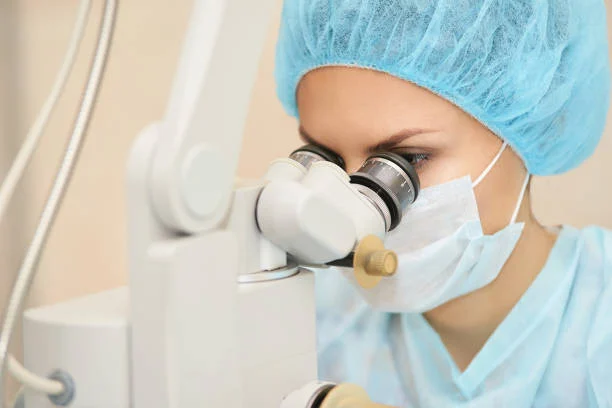
- Stable Vision
- Your prescription should be stable for at least one year.
- Continuous changes in vision may mean that the surgery will not provide permanent results.
- Corneal Thickness
- One of the most important factors; the cornea must be thick enough to safely perform laser surgery without affecting its structure.
- No Eye Diseases
- Conditions such as:
- Keratoconus
- Chronic eye infections
- Severe dry eye
- These may prevent surgery or require treatment first.
- Good General Health
- Certain conditions, such as uncontrolled diabetes or autoimmune diseases, may affect healing after surgery.
- Not Pregnant or Breastfeeding
- Hormonal changes can temporarily affect the results of the procedure.
Summary:
If these requirements are met, you are likely a good candidate for laser eye surgery.
Who Is Not Suitable for Laser Vision Correction
Although laser surgery is safe and common, it is not suitable for everyone.
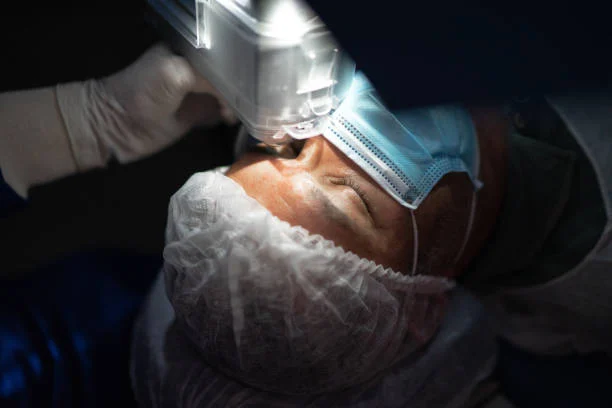
- Patients with Keratoconus
- This condition weakens and destabilizes the cornea, making laser surgery unsafe.
- Severe Dry Eye Sufferers
- Laser surgery may worsen dryness and cause discomfort afterward.
- People with Extremely High Prescriptions
- In some cases, lens implantation may be a better option than laser.
- Pregnant or Breastfeeding Women
- Hormonal changes affect vision stability.
- Individuals Under 18 Years Old
- Vision has not yet stabilized.
Important:
Being unsuitable for laser surgery does not mean there is no solution—modern alternatives, such as smart lenses, are available.
Appropriate Age for Laser Eye Surgery
Age is a key factor in the success of the procedure.
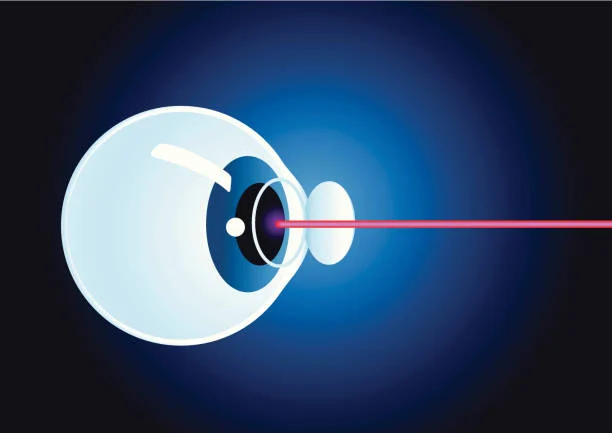
- Under 18 years: Not suitable due to constant vision changes.
- 18 to 40 years: Ideal age range for surgery
- Stable results
- Faster recovery
- Over 40 years: Surgery is possible, but:
- Reading glasses may be needed later
- Other options like multifocal lenses may be considered
Best age for surgery: Generally between 20 and 35 years.
Preoperative Tests for Laser Eye Surgery
This stage is crucial because it determines.
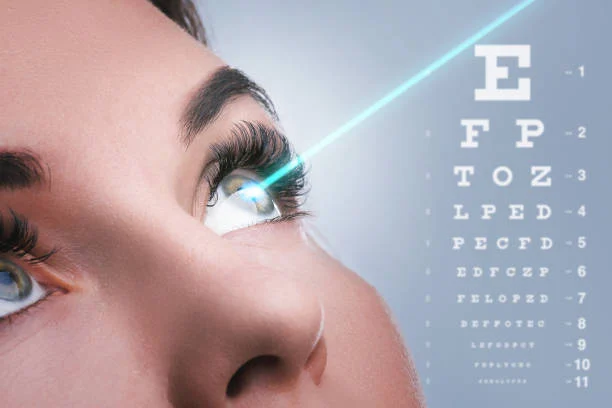
- Whether you are suitable for the procedure
- The most suitable type of surgery for you
Important tests include:
- Precise vision measurement: To determine the degree of nearsightedness, farsightedness, or astigmatism
- Corneal thickness examination: Using advanced devices to assess suitability
- Corneal topography: Detects hidden conditions like keratoconus
- Dry eye evaluation: To prevent postoperative complications
- Intraocular pressure test: To rule out diseases like glaucoma
Key Statistics for Laser Eye Surgery
| Information | Percentage / Number |
| Success rate | 96% – 99% |
| Procedure duration | 10 – 15 minutes |
| Initial recovery | 24 – 48 hours |
| Pain experienced | Less than 5% |
| Return to normal life | Within 2 – 3 days |
| Independence from glasses | Over 90% of cases |
These numbers indicate that laser surgery is very safe when performed at a suitable medical center.
Important Tips Before Laser Surgery
To ensure the best possible results, it is recommended to:
- Stop wearing contact lenses a few days before surgery
- Avoid makeup on the day of surgery
- Get sufficient rest before the procedure
- Choose a trusted doctor and clinic
- Complete all required tests
What to Expect on Surgery Day
- The procedure lasts approximately 10 minutes
- Local anesthesia is applied in the form of drops
- There is no real pain
- You can go home the same day
Most patients notice improved vision within hours.
Frequently Asked Questions (FAQ)
Is laser eye surgery painful?
No, the procedure is painless, using local anesthesia drops. Patients may feel only slight pressure for a few seconds.
How long does the surgery take?
10 to 15 minutes for both eyes.
When will I see clearly after surgery?
Usually within 24 hours, with gradual improvement over the following days.
Can laser surgery fail?
Very rarely, especially if the patient is properly selected and treated by an experienced surgeon.
Can vision deteriorate again after surgery?
In some minor cases, but results are generally long-lasting.
Can I use my phone after surgery?
It is best avoided for the first 24 hours, then used in moderation.
Laser eye surgery is one of the safest and most effective procedures for reducing dependence on glasses.
Success primarily depends on choosing the right candidate and following all requirements and preoperative tests.
If you meet the listed criteria, you are an excellent candidate for clear and fast results.
If not, modern alternatives can still provide effective outcomes.
Why Choosing the Right Clinic Is Critical
The result depends not only on the surgery itself but also on:
- Accurate diagnosis
- Surgeons’ experience
- Equipment used
At Hili Clinic, each case receives a comprehensive evaluation using the latest technology, with the most suitable solution selected for each patient, whether it is laser or lens implantation.
The goal is not only to improve vision but also to provide a safe medical experience with long-term stable results.