Double Chin Reduction (Submental Fat): Latest Techniques and Results
Reducing a double chin is one of the most popular topics for people who want to improve their facial shape and create a more defined jawline. A double chin doesn’t just affect aesthetics—it can change the overall impression of the face, making it look fuller or less defined even in people who don’t carry excess weight elsewhere.
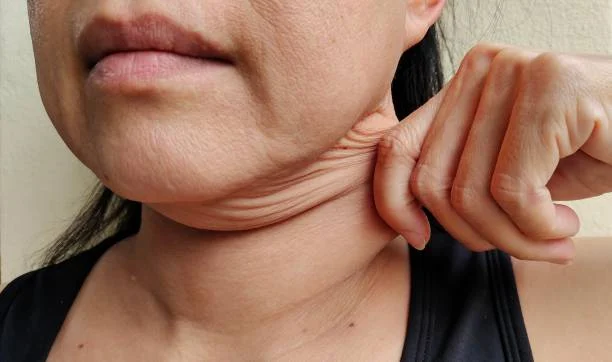
Because of this, demand for effective solutions has grown—especially as modern cosmetic techniques now offer multiple non-surgical and minimally surgical alternatives.
The importance of double chin reduction lies in the fact that it’s no longer a “one-method” procedure. There are now several options tailored to each case, depending on whether the double chin is caused by fat accumulation, skin laxity, or a naturally weak jawline/neck definition. This variety has made results more precise and flexible, helping many patients achieve a more balanced look without always needing major surgery.
A double chin can also be psychologically distressing, affecting confidence when taking photos or viewing the face from the side. Treatment, therefore, isn’t just about appearance—it improves overall satisfaction with how one looks. Understanding the available options comprehensively helps patients choose the right solution and avoid unrealistic expectations.
What is a double chin?
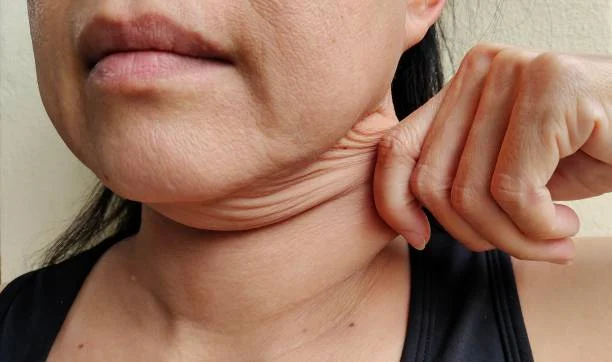
To understand double chin reduction, you first need to know what a double chin is. It’s an extra fold or bulge beneath the chin caused by fat accumulation, skin laxity, or both. It can occur in men and women and isn’t limited to people who are overweight—thin individuals may also have a double chin due to genetics, anatomy, or reduced skin elasticity.
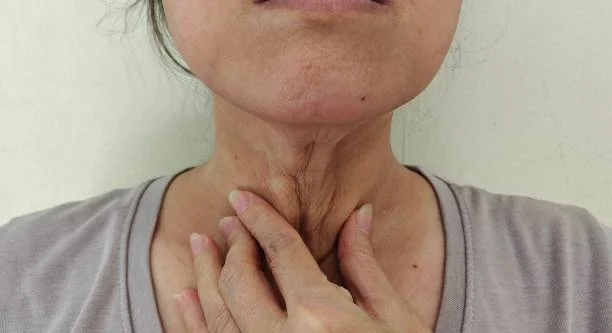
Causes vary from person to person. Some have isolated localized fat, others experience skin laxity with aging, and some have a small chin or less prominent jaw that makes the area under the chin appear fuller visually. This distinction is crucial because the cause determines the appropriate technique. Not all cases can be treated the same way, which is why careful evaluation is essential.
The area is noticeably affected by weight gain; fat buildup in the neck and under the chin can reduce jawline definition even with slight weight gain. In some cases, genetics play a stronger role than weight, with individuals noticing a double chin from an early age. Proper diagnosis is the first step before considering any cosmetic procedure.
Understanding the nature of a double chin is important because the problem isn’t just “excess fat”—it often results from multiple interacting factors. A successful solution is not one-size-fits-all; it’s tailored to facial structure, degree of laxity, fat amount, and desired jawline definition.
Read also: Removing Submental Fat and Jaw Tightening
Latest Available Techniques
Modern options for double chin reduction have become very diverse. One of the most common methods today is fat-dissolving injections—a non-surgical technique used when submental fat is mild to moderate.
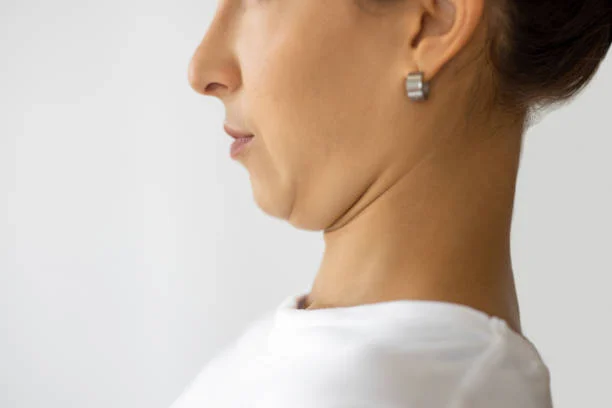
These injections target fat cells in the area, gradually breaking them down over time. Patients often need more than one session to see clear results, but the main advantage is that it doesn’t require major surgery.
Another modern technique is cryolipolysis (fat freezing), which exposes fat cells to very low temperatures that progressively destroy them. The body then removes these damaged cells naturally. This suits people who prefer a non-surgical solution with limited recovery; it produces gradual, relatively natural results, especially when fat accumulation is moderate.
Laser also plays a role by dissolving fat and stimulating skin tightening simultaneously. Some lasers or thermal energy improve the appearance under the chin, especially when mild laxity is part of the problem. The value of this technique is that it not only reduces fat but also improves skin elasticity, making outcomes more balanced.
There’s also precise liposuction—a more direct and effective option when fat amount is larger or when someone seeks a noticeable result faster. Liposuction may be combined with skin-tightening techniques or lasers for a more defined jawline. This suits cases where simple non-surgical solutions aren’t enough, yet it remains less invasive than major cosmetic surgery.
Techniques using ultrasonic devices or focused energy also exist to stimulate skin tightening and improve overall jaw and neck definition. These are useful when the main issue is laxity rather than fat. Clearly, double chin reduction isn’t based on a single fixed solution but on options chosen according to the case.
How to choose the right technique?
Understanding double chin reduction is incomplete without knowing how to choose the right technique. The correct choice depends on the real cause of the double chin—not just the popularity or novelty of a procedure. If the main issue is mild localized fat, injections or cryolipolysis may be suitable.

If fat is more pronounced and needs direct removal, liposuction may be better. If laxity is primary, priority should be given to tightening techniques or a combination of methods.
One of the most important factors is skin elasticity. A person with good, elastic skin may achieve excellent results after fat reduction alone, while someone with obvious laxity may need additional tightening so the skin doesn’t appear saggy afterward. Assessing the skin is as important as evaluating fat amount.
Age also matters: the older the patient, the greater the likelihood of laxity, whereas younger cases are often easier to treat if the cause is solely fat. Overall weight and its stability affect the final result because gaining weight again can cause fullness to return.
Facial shape is also important. Some people have a small chin or less prominent jaw, making a double chin appear more noticeable. In these cases, the solution may not be limited to fat removal; the physician might need a balanced plan considering overall facial harmony. Double chin reduction requires a comprehensive view that doesn’t focus on the area alone
Expectations must be realistic. Some techniques provide gradual improvement rather than immediate results; some aren’t suitable for very large cases; and some require multiple sessions. If someone expects the problem to disappear entirely in one session, they may be disappointed. The goal is to improve definition and appearance—not necessarily to achieve a perfectly ideal outcome in every case.
Read also: Treatment of Hair Thinning and Hair Loss
Results and Recovery
When discussing double chin reduction, it’s essential to talk about expected outcomes and recovery. Results vary markedly by technique and case. With fat-dissolving injections, improvement often begins gradually over weeks, and patients may need several sessions.
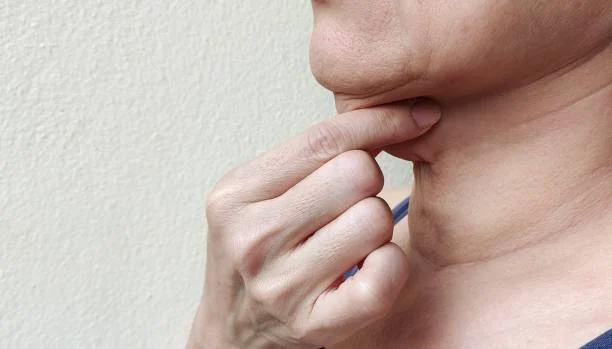
This method offers gradual, natural-looking improvement but requires patience and adherence to the treatment plan.
With cryolipolysis, results may also not appear immediately because the body needs time to clear damaged fat cells. A patient may notice clear improvement after several weeks or months. Despite slower onset, results are very acceptable for those preferring to avoid surgery.
With laser or thermal energy tightening, results can be relatively faster in tightening skin and improving jaw definition, especially if the issue isn’t severe. Liposuction combined with tightening usually provides a clearer and quicker result because it directly removes fat and addresses laxity simultaneously. This is among the most effective options for moderate to severe cases when performed by an experienced physician.
Recovery time varies by procedure. Non-surgical procedures often don’t require long interruptions to daily activities, and people can return to normal life relatively quickly. More invasive procedures may require some rest and adherence to medical instructions such as wearing a compression garment or avoiding certain movements. Most modern techniques are designed to minimize discomfort and speed up healing.
Maintaining results is very important after treatment because returning to an unhealthy lifestyle or gaining weight can affect appearance again. Double chin reduction depends not only on the procedure but also on post-treatment commitment. Balanced nutrition, weight maintenance, hydration, and a healthy lifestyle all help results last longer.
Frequently Asked Questions
Can a double chin be eliminated without surgery?
Yes. In some cases, it’s possible with fat-dissolving injections, cryolipolysis, or laser—especially if the issue is mild to moderate.
When do treatment results appear?
Timing varies by technique—some results appear in weeks, while others take several months.
Are the results permanent?
Results can be long-lasting if weight and lifestyle remain stable, but weight gain may cause the problem to recur.
Are non-surgical techniques suitable for all cases?
No. Large cases or those with significant laxity may require liposuction or stronger tightening procedures.
Is the treatment painful?
Pain or discomfort is usually limited and depends on the technique and individual response.
What is the best technique for a double chin?
There’s no single best technique for everyone—it depends on the underlying cause, degree of laxity, and amount of fat.
In conclusion, double chin reduction is now more varied and effective than ever, thanks to advances in non-surgical and minimally surgical solutions. The correct choice doesn’t depend on the trendiest technique but on what truly suits your case. If the issue is mild, a non-surgical method may provide noticeable improvement; if fat or laxity is greater, stronger intervention may be necessary. Above all, accurate medical assessment is essential—the good result begins with understanding the real cause and ends with choosing the most appropriate treatment.