Skin Sagging After Obesity Surgery: When Is Surgery Necessary?
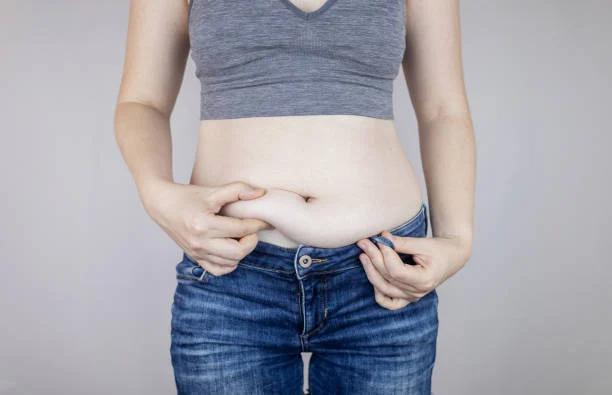
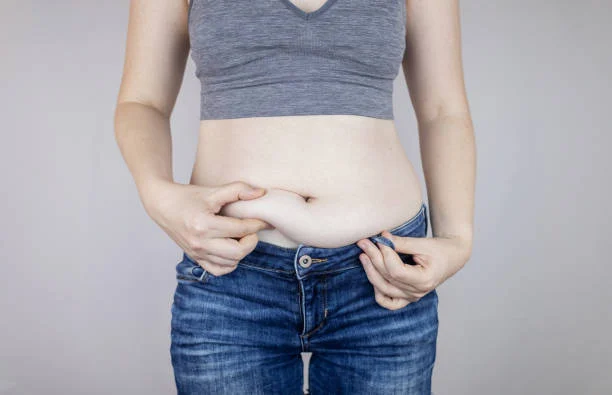
Losing excess weight is a significant health achievement that contributes to improving quality of life and reducing the risks of many chronic diseases. However, many people face a common problem after losing large amounts of weight: skin sagging. For this reason, many wonder about skin sagging after obesity surgery: when is surgery necessary? Especially when these saggings affect physical appearance or daily comfort.
Skin sagging after obesity surgery: when is surgery necessary?
Skin sagging typically occurs after obesity surgery or after rapid weight loss, where the skin cannot shrink completely to match the body’s new size. In this article, we will discuss in detail skin sagging after obesity surgery: when is surgery necessary? And what treatment options are available to deal with this problem.
What Causes Skin Sagging After Weight Loss?
To understand the topic of skin sagging after obesity surgery: when is surgery necessary? one must first know the causes that lead to these saggings.
What causes skin sagging after weight loss?
When weight increases significantly for long periods, the skin gradually expands to accommodate fat accumulation. Over time, collagen and elastin fibers responsible for skin elasticity may be affected. After losing weight significantly, the skin cannot fully return to its natural state, leading to the appearance of sagging in varying degrees.
The likelihood of this problem increases among people who lost large weights during a short period or those who suffered from obesity for many years.
Areas Most Prone to Sagging
When discussing skin sagging after obesity surgery: when is surgery necessary? the sagging does not appear in only one area, but may include several parts of the body.
The most areas prone to sagging:
-
Abdomen area
-
Arms
-
Thighs
-
Buttocks
-
Chest
-
Neck and lower face
The severity of sagging varies from person to person depending on age, skin type, and amount of weight lost.
Does Skin Sagging Disappear Automatically?
One of the common questions related to the topic of skin sagging after obesity surgery: when is surgery necessary? is whether skin can return to normal without medical intervention.
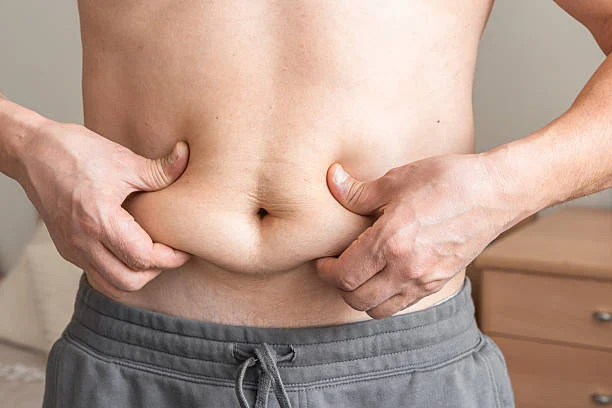
In some minor cases, skin appearance may gradually improve over time, especially among younger people who have good skin elasticity. However, cases of severe sagging often do not improve completely on their own and may require specialized treatments to obtain satisfactory results.
Factors Affecting Skin Sagging Severity
To understand skin sagging after obesity surgery: when is surgery necessary? one must know the factors that determine the extent of sagging.
Factors affecting skin sagging severity
These factors include:
Age
As people advance in age, the skin’s ability to produce collagen and elastin decreases, increasing the likelihood of sagging.
Amount of Weight Lost
People who lose very large weights are more prone to skin sagging compared to those who lose smaller amounts.
Duration of Obesity
The longer the period of skin expansion due to obesity, the more difficult it becomes to return to its natural shape.
Genetic Factors
Genes play an important role in determining skin elasticity and its ability to shrink after weight loss.
Lifestyle
Good nutrition, drinking water, and exercising may help improve skin appearance to a certain degree.
Read also: Autologous Fat Injection: How is it Done and Where Can it Be Used?
When Is Surgery Necessary?
When searching for an answer to the question skin sagging after obesity surgery: when is surgery necessary? the decision depends on several medical, functional, and aesthetic factors.
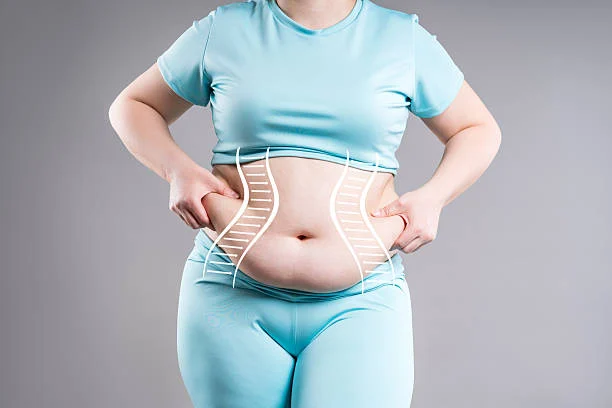
Surgery typically becomes a suitable option when:
-
The sagging is severe and obvious
-
It causes skin friction and repeated infections
-
It affects movement or physical activity
-
It causes psychological problems or decreased self-confidence
-
Non-surgical treatments do not achieve sufficient results
In these cases, the doctor may recommend undergoing skin tightening surgery to eliminate excess tissue and improve body shape.
Types of Surgeries Used to Treat Skin Sagging
When discussing skin sagging after obesity surgery: when is surgery necessary? it’s important to know the most prominent surgical procedures available.
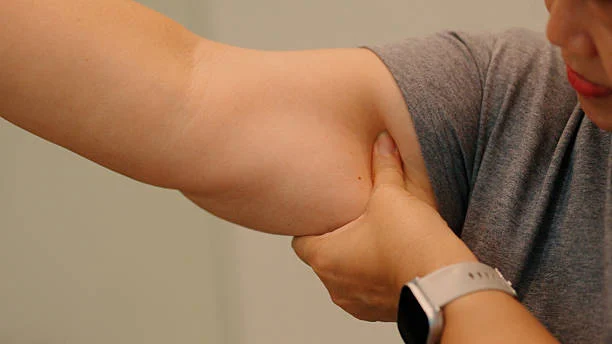
Types of surgeries used to treat skin sagging
Abdominoplasty (Belly Tightening)
Used to eliminate excess skin in the abdomen area and tighten relaxed muscles.
Arm Tightening
Helps remove sagging skin in the upper part of the arms and improve their appearance.
Thigh Tightening
Targets excess skin in the thigh area to obtain a more harmonious shape.
Lower Body Tightening
Combines several procedures to improve the appearance of the abdomen, buttocks, and thighs in one operation.
Neck and Face Tightening
Used to treat sagging resulting from weight loss in the face and neck area.
Are There Non-Surgical Alternatives?
When talking about skin sagging after obesity surgery: when is surgery necessary? some wonder about the possibility of avoiding surgery.

Are there non-surgical alternatives?
In minor or moderate cases, some non-surgical procedures may help such as:
-
Radiofrequency techniques
-
Focused ultrasound waves
-
Collagen-stimulating laser
-
Targeted exercise
-
Improving nutrition
However, these solutions often cannot remove large amounts of excess skin as surgery does.
Benefits of Skin Tightening Surgery After Obesity
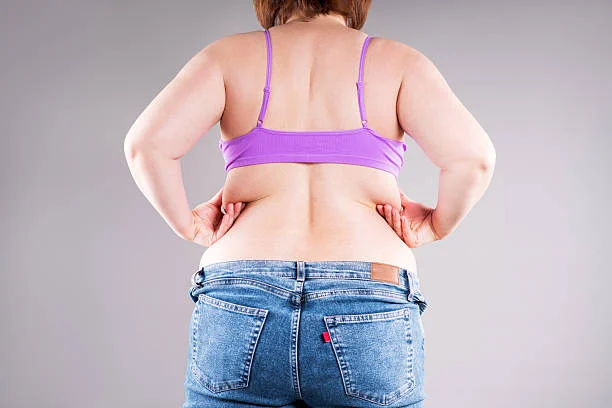
Surgery offers many benefits for people suffering from severe sagging, including:
-
Improving body shape
-
Increasing comfort during movement
-
Reducing skin infections resulting from friction
-
Facilitating practice of sports activities
-
Enhancing self-confidence
For this reason, understanding skin sagging after obesity surgery: when is surgery necessary? is an important step for making the appropriate decision.
Preparing for Surgery
Before undergoing any surgical procedure to treat sagging, the doctor evaluates the patient’s general health condition and ensures weight stability.
Preparing for surgery
It is also usually recommended to:
-
Maintain a stable weight for several months
-
Stop smoking
-
Perform necessary medical examinations
-
Follow the doctor’s nutritional and medication instructions
Recovery Period After Surgery
The recovery period varies depending on the type of operation and the extent of sagging treated.\
During this stage, the patient may need:
-
Wearing medical compression garments
-
Avoiding strenuous activities temporarily
-
Attending follow-up appointments
-
Caring for surgical incisions according to doctor’s instructions
Following these guidelines helps improve results and reduce the likelihood of complications.
Do Saggings Return After Surgery?
One important question when discussing skin sagging after obesity surgery: when is surgery necessary? is the possibility of the problem returning after treatment.
In most cases, results are long-term, especially if the person maintains stable weight and follows a healthy lifestyle. However, large weight fluctuations or natural aging may affect skin appearance over time.
Conclusion
Skin sagging after obesity surgery: when is surgery necessary? is one of the most questions occupying people’s minds after losing large weight. Although some cases of sagging may gradually improve or respond to non-surgical treatments, surgery remains the most effective option in cases of severe sagging that affect physical comfort or overall appearance.
Understanding skin sagging after obesity surgery: when is surgery necessary? helps make the appropriate decision in cooperation with the specialist doctor, and accurate case evaluation determines whether surgery is the optimal solution. Therefore, skin sagging after obesity surgery: when is surgery necessary? remains a question whose answer depends on the degree of sagging, its effect on the patient’s life, and treatment goals.
Frequently Asked Questions
1. Does everyone who undergoes obesity surgery suffer from skin sagging?
No, the degree of sagging varies from person to person depending on age, skin elasticity, and amount of weight lost.
2. When can one think about skin tightening surgery after weight loss?
Usually after weight stabilizes for several months and the condition is evaluated by the specialist doctor.
3. Does exercise completely remove skin sagging?
Exercise helps improve body shape and build muscles, but it does not remove severe excess skin.
4. Is skin tightening surgery painful?
The procedure is performed under anesthesia, and pain after surgery can be controlled through prescribed medications.
5. Are skin tightening results permanent?
Results are long-term in most cases, especially when maintaining stable weight and healthy lifestyle.
Related Articles:
Liposuction: Difference Between Modern and Old Techniques