Non-Surgical Rhinoplasty: Does It Deliver Real Results?
Non-surgical rhinoplasty: does it deliver real results? has become one of the most common questions among people who want to improve their nose shape without undergoing a full surgical procedure.
Many are looking for a solution that’s faster, less expensive, and less complex than traditional surgery, while still offering acceptable aesthetic outcomes. With advances in non-surgical cosmetic techniques, this option has gained widespread interest—especially among those seeking a simple or temporary adjustment to their nose shape.
Non-Surgical Rhinoplasty: Does It Deliver Real Results?
Although the idea is appealing, answering the question non-surgical rhinoplasty: does it deliver real results? accurately requires understanding the nature of this procedure, how it works, its limitations, and the results it can actually achieve.

Non-surgical rhinoplasty does not change the nose’s internal structure the way surgery does; it typically aims to improve only the visible appearance in a limited, carefully planned way.
This type of procedure also isn’t suitable for everyone. Some people want obvious reduction, correction of a deviation, or a functional improvement in breathing—goals that non-surgical rhinoplasty cannot achieve. Understanding the difference between temporary visual improvement and permanent structural change is key to knowing whether this option is right for you.
What is non-surgical rhinoplasty?
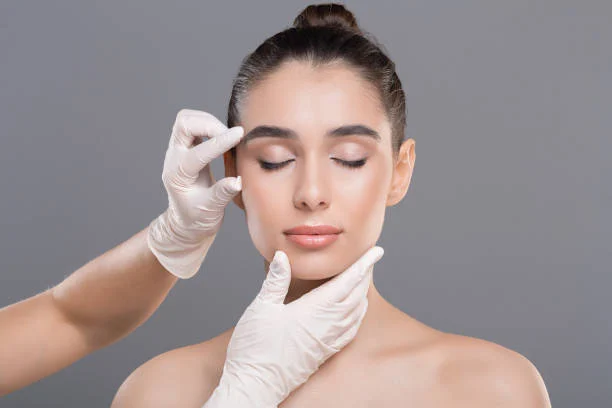
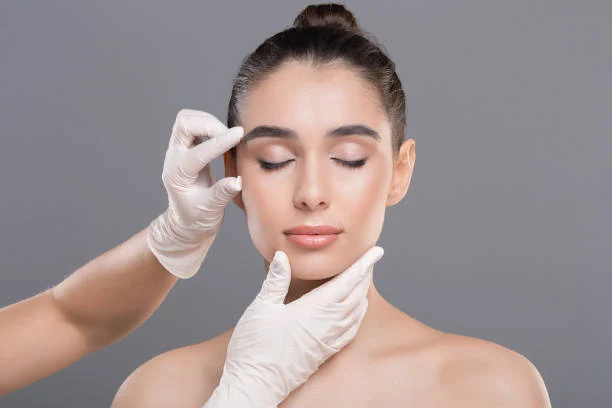
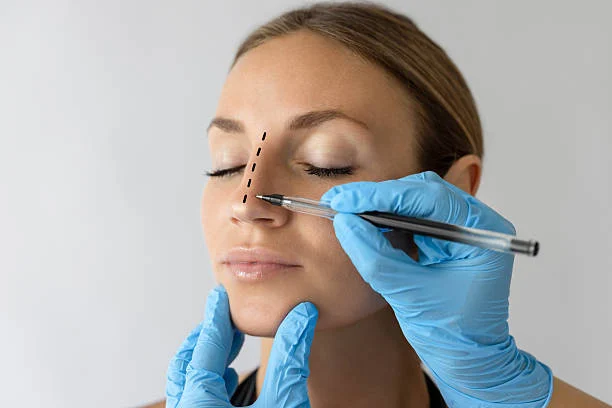
To understand non-surgical rhinoplasty: does it deliver real results?, you first need to know what this procedure entails. Non-surgical rhinoplasty is a cosmetic technique that uses injections of certain materials—most commonly dermal fillers—to modify the nose shape in a targeted way, without a scalpel, general anesthesia, or an operating room.
What is non-surgical rhinoplasty?
This technique is typically used to improve the nose’s overall symmetry, hide minor imperfections, lift the tip slightly, or smooth a mild bump on the nasal bridge.
It’s sometimes called the “liquid nose” or “filler rhinoplasty,” and it relies on a very simple principle: instead of removing part of the nose, material is added in specific areas to create better visual balance. For example, if there’s a small hump, the physician can inject filler above and below it so the outer line appears straighter—even though the underlying structural bump remains.
This technique is relatively quick, often performed in a short time in the clinic, with very limited recovery compared to surgery. Results appear immediately or shortly after injection, which makes it highly attractive for people who want a quick change before an event or who prefer to avoid surgery. However, ease doesn’t mean it’s suitable for everyone—safety and outcomes depend on accurate diagnosis, choosing the right material, and the physician’s experience.
Read also: Autologous Fat Injections for the Body
Does it deliver real results?
When asking non-surgical rhinoplasty: does it deliver real results?, the short answer is: yes, it delivers real results—but real in the sense of visible improvement, not permanent change. In other words, this procedure can actually change the nose’s appearance, but it doesn’t alter the underlying bone and cartilage structure, and it doesn’t achieve the same reduction or full reshaping that surgery does.

Does it deliver real results?
Results are clear in mild to moderate cases, such as hiding a small bump, adjusting the tip angle, or creating a straighter, more symmetrical look. In these cases, people often feel a real improvement in overall shape, and the change can be very noticeable aesthetically. So the results aren’t fake—they’re tangible, but within certain limits.
However, it’s important to understand that non-surgical rhinoplasty: does it deliver real results? doesn’t necessarily mean the outcome will meet everyone’s expectations. Some people expect significant reduction or a radical change in shape, and they often won’t get what they want from non-surgical rhinoplasty. This technique doesn’t reduce the nose’s actual size, isn’t suitable for severe deviations or functional breathing problems, and can’t reconstruct the nose the way cosmetic surgery does.
Most importantly, the results are temporary, not permanent. The filler used in many cases is gradually absorbed by the body over time, meaning the patient needs repeat sessions to maintain the result. Duration varies from person to person depending on the material type, injection amount, individual biology, and absorption speed. Therefore, anyone considering this option should view it as a temporary, flexible solution—not a final substitute for surgery in all cases.
When is it appropriate?
Non-surgical rhinoplasty: does it deliver real results? becomes clearer when we define the cases it suits. This procedure is typically appropriate for people with minor shape imperfections or those who want a light improvement that doesn’t require surgery.

Common examples include a slight dip in the nasal bridge, a small bump that can be visually concealed, a tip that needs a mild lift, or minor asymmetry between the sides.
When is it appropriate?
This option also suits people who want to avoid surgery due to fear of anesthesia, long recovery time, higher cost, or because they want to try a new shape before committing to permanent surgery. In some cases, people turn to non-surgical rhinoplasty as a temporary step until they decide later whether they need surgery.
However, it’s not recommended for someone with a very large nose who wants actual size reduction, for someone with a severe nasal septum deviation, for someone with a breathing problem that needs medical repair, or for someone who wants a permanent result without repetition. In these cases, non-surgical rhinoplasty: does it deliver real results? may be an insufficient question on its own, because the better solution may be surgery instead of temporary injections.
The physician should also determine whether the skin type, nose shape, skin thickness, and nature of visible imperfections make this procedure effective. Not every nose can be improved with filler to the same degree, and not every patient will get the same result. Therefore, direct medical evaluation remains an essential step before making a decision.
Read also: Laser Teeth Whitening
Advantages and limitations
When considering non-surgical rhinoplasty: does it deliver real results?, it’s important to balance the advantages and limitations. A key advantage is that it’s quick, doesn’t require surgery, usually doesn’t need a long recovery, results appear fast, and patients can return to daily activities almost immediately.
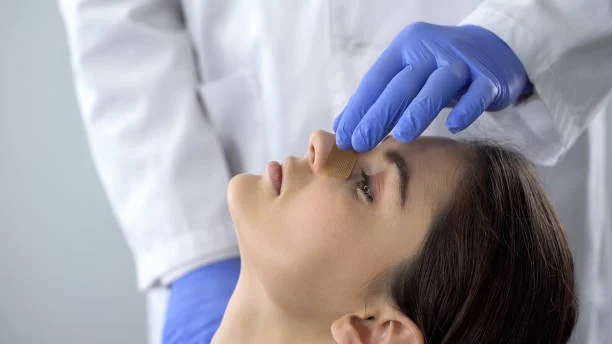
This is very important for people with work commitments, an upcoming event, or those who don’t want to undergo a major procedure.
Advantages and limitations
Another advantage is that it’s often less expensive than surgery, and it can be adjusted or reinjected later if the patient isn’t fully satisfied. It also allows the physician to make precise, well-planned changes to the external shape—especially when the goal is improvement rather than radical change.
On the other hand, there are clear limitations that can’t be ignored. The first is that the result is temporary, meaning repeat sessions are needed to maintain it. The second is that non-surgical rhinoplasty doesn’t treat true structural defects, such as prominent bones, a deviated septum, or a large nose size. It also doesn’t achieve real reduction; it may only create a visual sense of improved symmetry.
Safety is also a concern. Any injection in the nose area requires very high precision and significant expertise due to the region’s sensitivity. If performed incorrectly, unwanted problems can occur—so choosing a qualified physician is critical. Therefore, non-surgical rhinoplasty: does it deliver real results? shouldn’t be answered only from an aesthetic angle, but also from a safety perspective.
Frequently asked questions
Can it replace surgery?
In some mild cases, yes—but it doesn’t replace surgery if the goal is true reduction, structural correction, or functional improvement.
How long do results last?
Results are temporary and usually last for a limited period depending on the material used and individual biology, then require repetition.
Is the procedure painful?
Pain is usually very limited; patients may feel only mild discomfort during injection.
Can it correct a nasal deviation?
No. This procedure doesn’t treat severe deviations or breathing problems because it focuses only on external appearance.
Is it suitable for everyone?
No. It’s more suitable for mild to moderate cases, not for people who want a large or permanent change in nose shape.
Are the results natural?
Yes. In appropriate cases, it can give a very natural appearance when performed precisely by an experienced specialist.
In conclusion, non-surgical rhinoplasty: does it deliver real results?—and the answer is yes, but the results are limited and temporary, and suitable for a specific group of cases. It’s a good option for those seeking quick visual improvement without surgery, but it’s not a complete substitute for surgery in all circumstances. If the goal is radical or permanent change—or treatment of a functional problem—surgery remains the stronger and more comprehensive choice. If what’s needed is simply a small, well-planned adjustment, non-surgical rhinoplasty can be a practical and effective solution.