Liposuction: The Difference Between Modern and Traditional Techniques
Liposuction is one of the most common cosmetic procedures used to eliminate localized fat that does not respond to exercise or diet plans. With advancements in cosmetic medicine, liposuction is no longer what it used to be.

Modern techniques have emerged that are safer, more precise, offer faster recovery, and provide better skin tightening results.
However, one question many people ask is: What is the difference between traditional and modern liposuction techniques? Has medical advancement really changed the results significantly?
In this article, we will explain the differences in a simple way, how each technique works, and when modern methods are considered better than traditional ones.
What Is Liposuction?
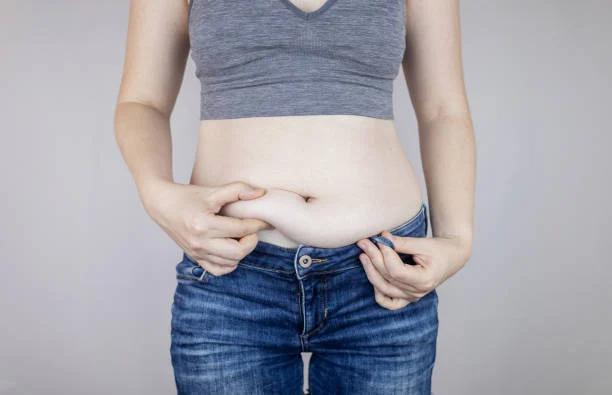
Liposuction is a cosmetic procedure aimed at removing accumulated fat beneath the skin in specific areas of the body such as the abdomen, thighs, arms, and chin.
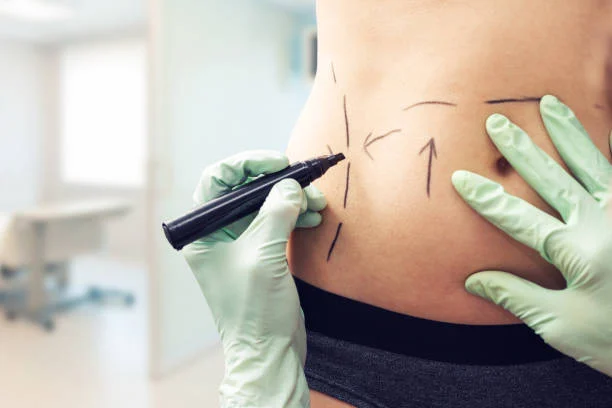
Liposuction is not considered a weight-loss method. Instead, it is a body contouring procedure designed to improve body shape by removing stubborn fat that does not disappear easily.
Traditional Liposuction Techniques
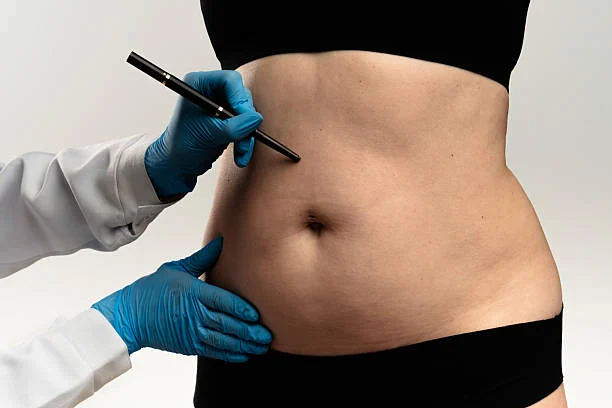
Traditional techniques relied on a relatively simple mechanical approach, in which metal tubes (cannulas) are inserted under the skin to break down fat and suction it out using a powerful vacuum device.
Advantages of Traditional Techniques
- Effective in removing large amounts of fat
- Noticeable results in reducing body size
- Relatively lower cost
Disadvantages of Traditional Techniques
- More pain and swelling after the procedure
- Longer recovery period
- Higher possibility of visible bruising
- Less effective skin tightening
- Less precision in body contouring
- Higher risk of asymmetry in some cases
Although this method was effective, it relied more on force than precision, making recovery more difficult compared to modern techniques.
Read also: The Difference Between Permanent and Temporary Filling
Modern Liposuction Techniques
With medical advancements, several modern techniques have emerged to make the procedure safer, more comfortable, and more precise while minimizing damage to surrounding tissues.
1. VASER Liposuction
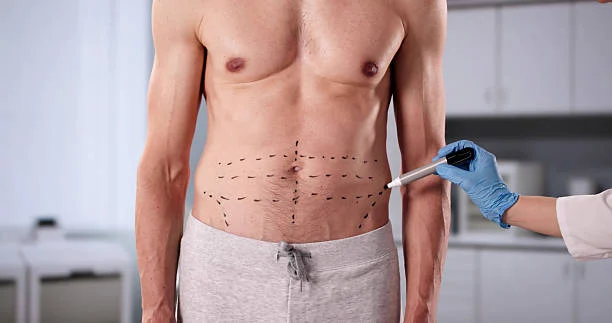
VASER technology uses ultrasound waves to break down fat before it is removed.
Its advantages include:
- Highly precise fat targeting
- Better skin tightening support
- Reduced damage to surrounding tissues
- Faster recovery period
It is currently considered one of the most popular techniques, especially for body contouring.
2. Laser Liposuction
Laser energy is used to melt fat and convert it into a liquid form before suctioning.
Its advantages include:
- Helps tighten the skin
- Reduces bleeding and bruising
- Suitable for smaller areas such as the chin
However, it is less effective for removing large amounts of fat compared to VASER.
3. Power-Assisted Liposuction (PAL)
This technique relies on rapidly vibrating cannulas to break down fat more easily before suctioning.
Its advantages include:
- Reduced physical effort for the surgeon
- More efficient fat removal
- Less swelling compared to the traditional method
4. High-Definition Liposuction
This technique is not only designed to remove fat but also to sculpt the body and enhance muscle definition.
It is often combined with technologies such as VASER to achieve highly detailed and athletic-looking results.
The Difference Between Modern and Traditional Techniques
1. Precision of Results
Modern techniques such as VASER and laser liposuction provide greater precision in body contouring, while traditional techniques focused only on fat removal without sculpting or definition.
2. Skin Tightening
Modern methods help tighten the skin by stimulating collagen production, while traditional techniques may leave sagging after fat removal.
3. Pain and Recovery Time
Traditional methods often caused more pain, bruising, and longer recovery periods, while modern techniques significantly reduce these side effects.
4. Safety
Modern techniques are generally safer because they rely on controlled energy rather than direct mechanical force.
5. Final Results
Results from modern techniques tend to appear more natural and proportionate to body shape, whereas traditional methods may leave some asymmetry in certain cases.
When Are Modern Techniques Preferred?
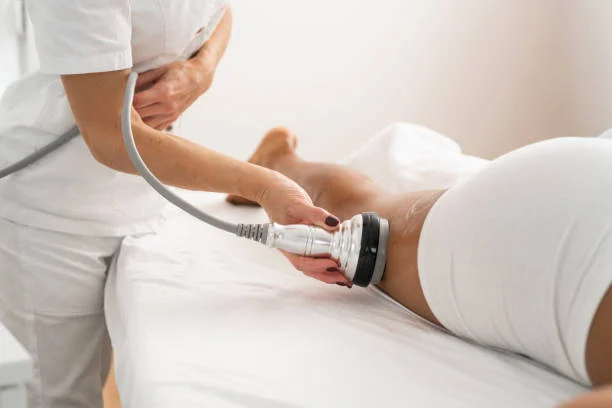
Modern techniques are considered the best choice in most cases, especially if the goal is:
- Achieving a well-contoured body shape
- Improving the appearance of the abdomen, waist, or arms
- Reducing skin sagging while removing fat
- Obtaining precise and natural-looking results
Is Liposuction Suitable for Everyone?
Liposuction is not a solution for severe obesity.
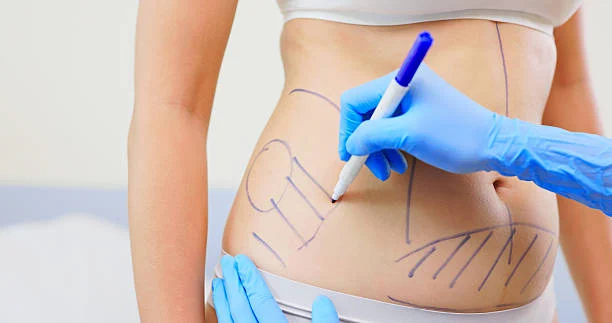
Instead, it is suitable for people who:
- Have a weight close to their ideal range
- Suffer from stubborn localized fat deposits
- Have relatively good skin elasticity
Conclusion
Liposuction has evolved significantly from a technique based on simple mechanical suction to advanced technologies using laser, VASER, and high-definition body sculpting. This evolution has made the results safer, more aesthetic, and more comfortable for patients.
In general, modern techniques outperform traditional ones in terms of precision, faster recovery, and skin tightening, while traditional techniques are still used in some limited cases.
Choosing the right technique depends on the doctor’s evaluation of the body condition and the patient’s goals to achieve the best possible results safely and naturally.
Frequently Asked Questions
Does liposuction help with weight loss?
No, it is a body contouring procedure, not a weight-loss solution.
Which is better: VASER or traditional liposuction?
VASER is better in terms of precision, skin tightening, and recovery time.
Are liposuction results permanent?
Yes, as long as a stable weight is maintained after the procedure.
Is there pain after liposuction?
There is mild to moderate pain, which varies depending on the technique used.
When do final results appear?
Results begin to appear within weeks and continue improving gradually over 3 to 6 months.