Does Teeth Whitening Damage Enamel? The Complete Medical Truth
Teeth whitening is one of the most popular cosmetic dental procedures, especially with the growing interest in bright smiles and the so-called “Hollywood smile.” However, the most common question people ask remains: Does teeth whitening damage tooth enamel? Can it weaken it or cause erosion?
The answer is not simply yes or no, because the effect of whitening depends on the type of product used, the method of application, and the condition of the teeth before the procedure. In this article, we will explain the medical truth in a simple and accurate way, separating myths from scientific facts.
What Is Teeth Whitening and How Does It Work?
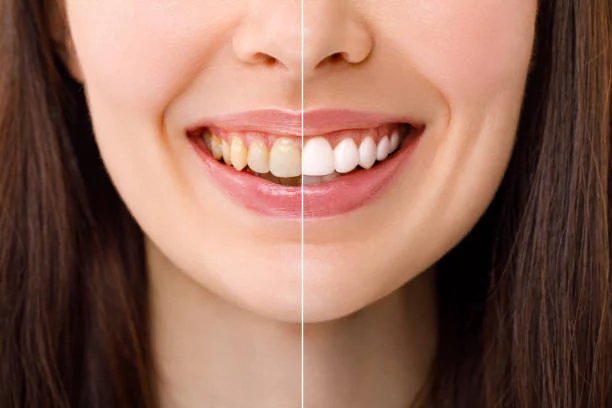
Teeth whitening is a cosmetic procedure aimed at lightening the color of teeth using substances that usually contain hydrogen peroxide or carbamide peroxide.
These substances work by:
- Penetrating the outer enamel layer
- Breaking down internal stains inside the teeth
- Restoring teeth to a lighter shade
It is important to understand that whitening does not “dye” the teeth but removes accumulated discoloration from within them.
Read also: Facelift with Threads: Who Is It Suitable For and How Long Do Results Last?
Does Teeth Whitening Actually Harm Enamel?
The medically accurate answer is: Teeth whitening does not cause permanent damage to tooth enamel when used correctly and under professional supervision.
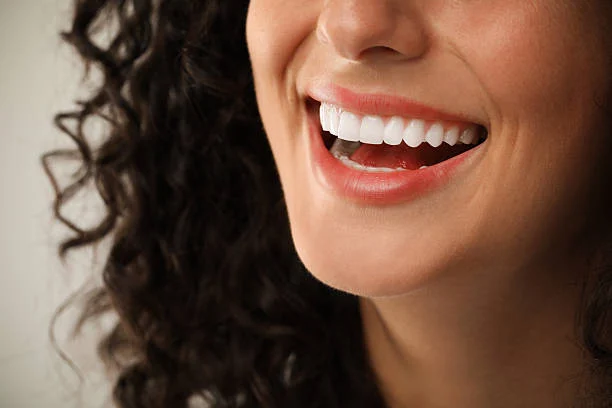
However, in some cases, temporary effects or issues may occur when used incorrectly.
What Do Medical Studies Say?
Research shows that medically approved whitening agents do not permanently weaken enamel structure when used at appropriate concentrations and for limited periods. However, excessive or improper use may lead to some side effects.
Possible Side Effects of Teeth Whitening
Although whitening is generally safe, it may cause temporary effects, including:

1. Tooth Sensitivity
One of the most common side effects is increased tooth sensitivity to:
- Cold drinks
- Hot beverages
- Sometimes cold air
This sensitivity occurs due to the interaction of whitening agents with deeper layers of the teeth, but it is usually temporary and disappears within days to weeks.
2. Gum Irritation
If the whitening gel comes into direct contact with the gums, it may cause mild irritation or temporary redness, especially when using at-home products incorrectly.
3. Temporary Dryness
Some people may feel that their teeth are “rough” or less glossy immediately after whitening, but this is temporary, and the surface returns to normal shortly after.
When Is Teeth Whitening Completely Safe?
Teeth whitening is safe when the following conditions are met:
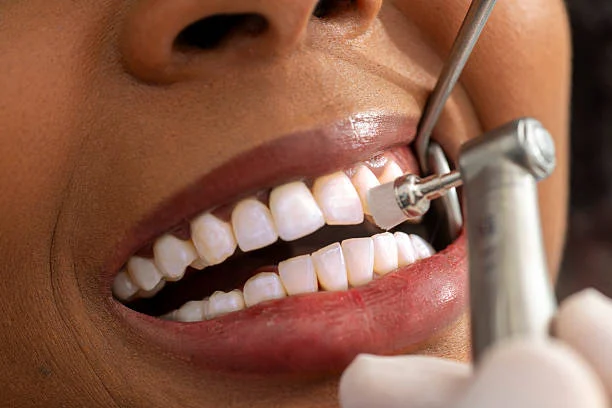
- Use of medically approved materials
- Correct concentration for each case
- Performed under a dentist’s supervision
- Avoiding excessive repetition of sessions
- Proper evaluation of teeth and gums before treatment
In these cases, whitening is not harmful to enamel but rather a safe and effective cosmetic procedure.
When Can Whitening Become Harmful?
Although generally safe, whitening can become harmful if used incorrectly, such as:
1. Excessive Use
Frequent whitening sessions may lead to:
- Increased tooth sensitivity
- Temporary weakening of the outer layer
- Gum irritation
2. Using Unreliable Products
Unregulated commercial products may contain inappropriate chemical concentrations, increasing the risk of damage.
3. Existing Dental Problems
If teeth already have:
- Untreated cavities
- Cracks
- Enamel erosion
Whitening may cause pain or worsen the condition.
Read also:The Difference Between Permanent and Temporary Filling
Can Whitening Remove the Enamel Layer?
One of the most common misconceptions is that whitening “eats away” enamel. In reality, whitening agents do not remove enamel; they only lighten its color by chemically breaking down stains.
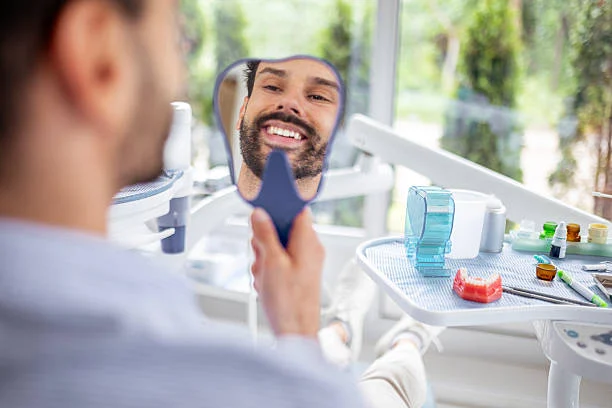
However, improper or excessive use may temporarily affect the enamel surface, but it does not cause permanent destruction when used correctly.
Difference Between Professional and At-Home Whitening
Professional Whitening (In-Clinic)
- Performed under dentist supervision
- Controlled chemical concentration
- Faster and safer results
- Continuous monitoring of gums and teeth
At-Home Whitening
- Uses trays or ready-made products
- Requires strict adherence to instructions
- Slower results
- Higher risk of misuse if not properly guided
How to Protect Enamel After Whitening
To maintain enamel health after whitening, it is recommended to:
- Avoid staining drinks such as coffee and tea for a short period
- Use toothpaste designed for sensitive teeth
- Avoid over-whitening
- Maintain daily oral hygiene
- Visit the dentist regularly
These steps help maintain results and reduce side effects.
Conclusion
Teeth whitening does not damage tooth enamel when used correctly and under professional supervision. It is a safe and effective procedure for achieving a brighter smile. The problem is not whitening itself, but misuse or overuse.
Therefore, if you are considering whitening your teeth, the most important step is to consult a dental professional to choose the most suitable method for your condition and ensure safe, natural results.
Frequently Asked Questions
Does teeth whitening weaken enamel?
No, when used properly it does not permanently weaken enamel.
Is tooth sensitivity after whitening normal?
Yes, it is temporary and usually disappears quickly.
How often can teeth be whitened?
It is recommended to follow a dentist’s advice, usually once every several months or a year depending on the case.
Is at-home whitening safe?
Yes, but it must be used carefully and according to instructions.
Are whitening results permanent?
No, results are not permanent and stains may return over time depending on habits.