The Difference Between Cosmetic Fillings and Traditional Fillings
Dental fillings are among the most common procedures in dentistry, serving as the primary solution for treating tooth decay and restoring the function of damaged teeth.

With advancements in dental materials, cosmetic fillings have emerged as a more aesthetically appealing alternative to traditional fillings, leading many patients to ask: What is the difference between cosmetic fillings and traditional fillings? And which one is better?
In this article, we will explain the key differences between the two types in terms of appearance, materials used, durability, cost, and when each option is preferred.
What Are Traditional Fillings?
Traditional fillings are metallic fillings that have been used for many years to treat tooth decay. They are often made from amalgam, a material composed of a mixture of metals such as silver, mercury, tin, and copper.
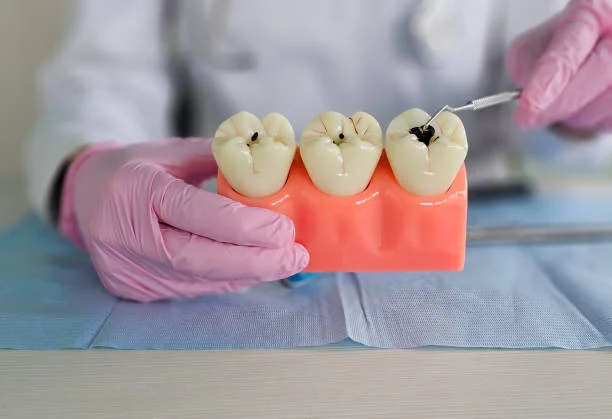
These fillings are used to fill the cavity created after decay removal to restore tooth function and prevent further decay from spreading to other parts of the tooth.
Advantages of Traditional Fillings
- Very strong and resistant to pressure
- Long-lasting, often lasting 10–15 years or more
- Suitable for back teeth that endure chewing pressure
Disadvantages of Traditional Fillings
- Silver color is not aesthetically pleasing
- May contain metallic materials that some patients prefer to avoid
- Sometimes require removing a larger portion of the tooth
- Not suitable for front teeth from an aesthetic perspective
Read also:The side effects of teeth whitening
What Are Cosmetic Fillings?
Cosmetic fillings are tooth-colored fillings used to treat cavities while preserving the natural appearance of the tooth. They are commonly made from materials such as composite resin or ceramic.
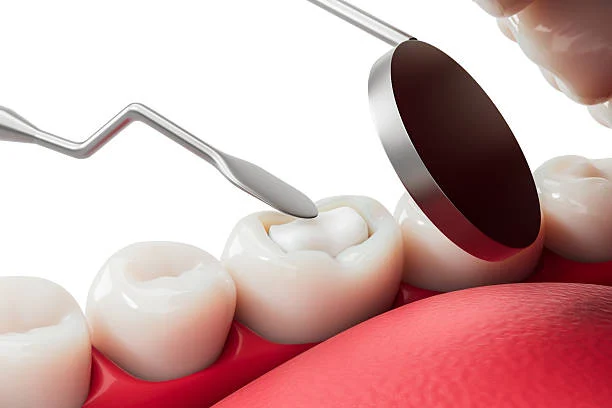
These fillings are widely used for both front and back teeth because they combine functionality with aesthetic appeal.
Advantages of Cosmetic Fillings
- Match the natural color of the teeth
- Provide an excellent aesthetic appearance
- Require less removal of the tooth structure
- Can be used for both front and back teeth
- Bond chemically to the tooth with strong adhesion
Disadvantages of Cosmetic Fillings
- Less resistant to pressure compared to amalgam in some cases
- May become stained over time
- Require good care to maintain their color
- Slightly shorter lifespan compared to traditional fillings
The Difference Between Cosmetic and Traditional Fillings
1. Aesthetic Appearance
Cosmetic fillings are nearly invisible because they match the natural tooth color, while traditional fillings are silver or metallic and more noticeable.
For this reason, cosmetic fillings are highly preferred for front teeth.
2. Durability and Strength
Traditional fillings are considered stronger under pressure, making them commonly used for back molars.
Cosmetic fillings are also durable, but they may not be as strong as amalgam in cases involving heavy chewing pressure.
3. Application Method
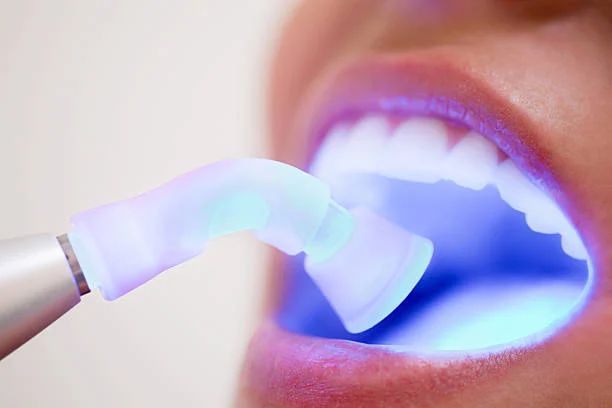
Cosmetic fillings require a precise technique and are applied in multiple layers that are hardened using a special light.
Traditional fillings, on the other hand, are placed directly into the cavity and usually require less time to apply.
4. Preserving Tooth Structure
Cosmetic fillings require less removal of the tooth structure, helping preserve as much natural tooth as possible.
In contrast, traditional fillings may sometimes require removing a larger portion of the tooth.
5. Cost
Cosmetic fillings are usually more expensive than traditional fillings due to the materials used and the precision required during application.
When Should Cosmetic Fillings Be Chosen?
Cosmetic fillings are considered the best option in the following cases:

- Decay in front teeth
- Desire to maintain a natural appearance
- Minor tooth fractures
- Improving the aesthetic appearance of the smile
When Should Traditional Fillings Be Chosen?
Traditional fillings may be suitable in the following cases:
- Deep cavities in back teeth
- Need for high durability and pressure resistance
- Situations where aesthetics are less important
- When looking for a cost-effective long-term solution
Do Cosmetic Fillings Last Long?
Yes, cosmetic fillings can last for several years, often between 5 to 10 years or more, depending on oral hygiene and the quality of materials used.
Traditional fillings may last even longer in some cases, but they are less commonly used today due to aesthetic concerns.
Conclusion
The choice between cosmetic and traditional fillings depends on several factors, including the location of the cavity, aesthetic preferences, chewing strength requirements, and budget. Cosmetic fillings are the preferred option aesthetically, while traditional fillings remain effective in terms of strength and durability.
The best decision should always be made after consulting a dentist who can determine the most suitable type based on the condition of the tooth to ensure the best functional and aesthetic outcome.
Frequently Asked Questions
Are cosmetic fillings better than traditional fillings?
The better option depends on the case. Cosmetic fillings are superior aesthetically, while traditional fillings may be stronger in certain situations.
Do cosmetic fillings change color?
They may become slightly stained over time due to coffee or smoking if not properly maintained.
How long do cosmetic fillings last?
Typically between 5 to 10 years or longer, depending on care.
Are traditional fillings safe?
Yes, but they are less commonly used today for aesthetic reasons.
Can traditional fillings be replaced with cosmetic ones?
Yes, in many cases they can be replaced after evaluation by a dentist.