Thread Facelift: Who Is It Suitable For and How Long Do Results Last?
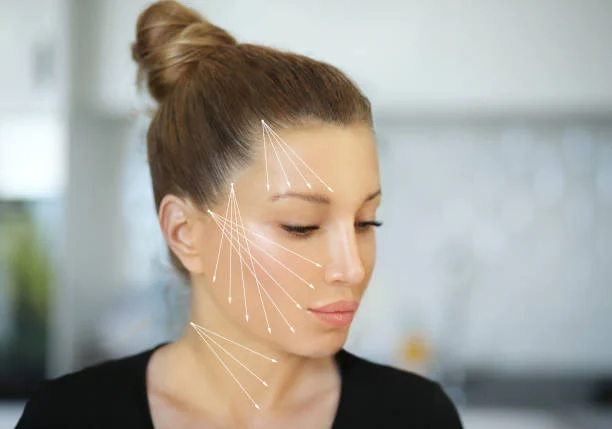
Thread facelift is a non-surgical cosmetic procedure that has gained significant popularity in recent years. It is considered a preferred alternative to traditional surgical facelifts, especially for individuals who want to improve their facial appearance without entering the operating room or undergoing a long recovery period.
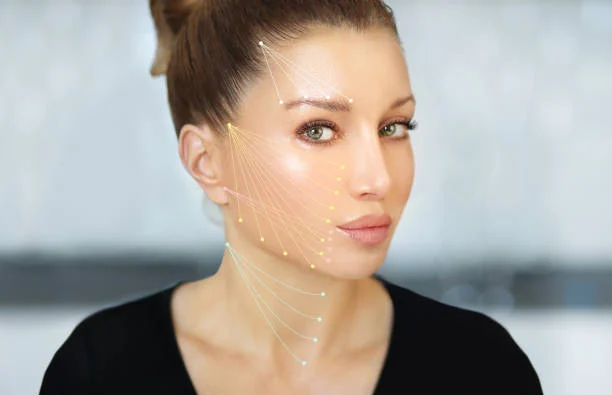
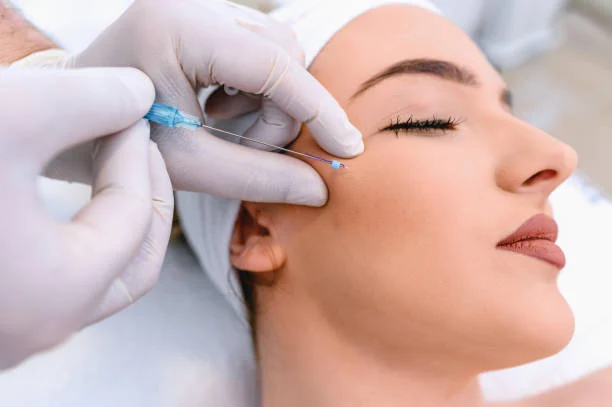
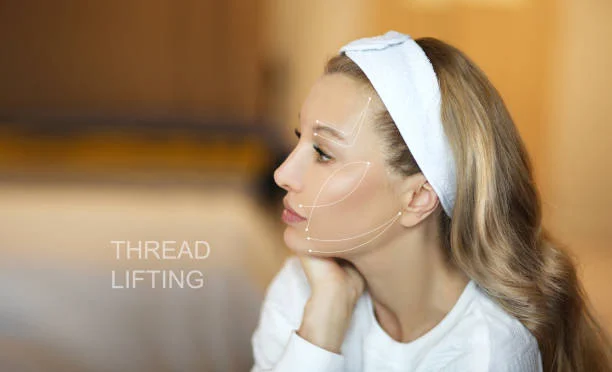
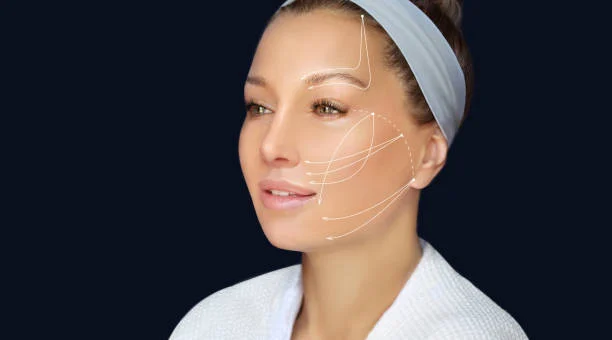
Thread facelift uses fine threads inserted under the skin to lift sagging tissues and stimulate collagen production, giving the skin a more youthful and harmonious appearance.
Who Is a Suitable Candidate for a Thread Facelift?
Thread facelift is generally recommended for individuals with mild to moderate skin sagging, rather than severe cases involving significant tissue or skin laxity.
It is often ideal for people in their 30s and 40s, when the skin still maintains good elasticity. In such cases, threads can produce noticeable and natural-looking lifting results.
It is also suitable for those who want to improve facial contours without surgery, especially individuals who are concerned about surgical scars, stitches, or long downtime. This includes people with busy lifestyles or frequent travel schedules, as the procedure is typically performed in a single session lasting 30 to 60 minutes, with a quick return to daily activities.
However, thread lifting is not suitable for individuals with severe skin laxity or significant excess skin in the lower face and neck, as threads do not remove excess skin or address deep muscle sagging. In such cases, surgical facelift procedures may be more appropriate. A consultation with a cosmetic specialist is essential to determine the best option.
Read also: The Difference Between Permanent and Temporary Filling
Main Types of Thread Lifting
Thread facelift results depend on the type of threads used, which vary in material, design, and mechanism of action.
One of the most common types is PDO (Polydioxanone) threads, which are absorbable threads that dissolve in the body over time. They stimulate collagen production and improve skin texture. Although the threads themselves disappear, the collagen effect can last longer.

There are also barbed or cog threads, which contain tiny hooks designed to lift and reposition sagging tissues upward, creating a more noticeable lifting effect. These are commonly used for areas such as the cheeks, jawline, and nasolabial folds, providing a natural yet visible improvement.
Other options include gold threads or threads made from inert materials, which may remain in the body longer and provide more sustained lifting effects, sometimes lasting up to two years depending on the individual case, skin condition, and aftercare.
The choice of thread type should always be made by a specialist, as not all patients are suitable for the same materials or techniques.
How Long Do Thread Facelift Results Last?
The duration of results varies depending on the type of threads used, the degree of sagging, and individual factors such as age, skin quality, and lifestyle habits.
For PDO threads, results typically last between 6 to 12 months, with continued improvement in skin quality due to collagen stimulation.
Barbed or gold threads may last between 12 to 18 months, and in some cases up to two years, especially with good skincare and avoidance of factors that accelerate aging such as excessive sun exposure, smoking, and chronic stress.
Thread lifting is therefore considered a semi-long-lasting procedure rather than a permanent solution, meaning that maintenance sessions may be needed over time depending on results and patient expectations.
The expertise of the physician also plays a significant role in prolonging results, as proper placement and technique improve longevity and reduce the need for frequent adjustments.
Benefits, Considerations, and Possible Risks
Thread facelift offers several benefits, including improvement of mild sagging, better facial contouring, and lifting of loose tissues without major surgery.
It is typically performed under local anesthesia, and patients can usually return to daily life within a few days, unlike surgical facelifts that require longer recovery periods.
However, thread lifting is not a replacement for surgical facelifts in severe cases. It does not remove excess skin or correct deep muscle laxity. Some temporary side effects may occur, such as swelling, bruising, or a tight sensation in the face, but these usually resolve within a few weeks.
To ensure safety and optimal results, overuse or repeated threading in the same area should be avoided. Patients should also follow post-procedure care instructions, such as avoiding direct sun exposure and strenuous exercise shortly after treatment.
Frequently Asked Questions
Is thread facelift painful?
The procedure is usually performed under local anesthesia, so patients feel only mild pressure or pulling during treatment. Mild discomfort afterward can be managed with prescribed medication.
How long is the recovery period?
Most patients can return to work and daily activities within 2 to 4 days, depending on individual healing and medical advice.
Can threads be removed if I don’t like the results?
Absorbable PDO threads dissolve naturally in the body, while other types may be adjusted or removed in certain cases by a specialist.
Can thread lifting be combined with fillers or Botox?
Yes, in some cases it can be combined with dermal fillers or Botox for overall facial rejuvenation, but spacing between procedures is recommended.
Can thread lifting be repeated?
Yes, it can be repeated once the previous threads have dissolved and the effects have faded, usually after several months.