When Do You Need to Replace an Old Dental Crown?
Introduction
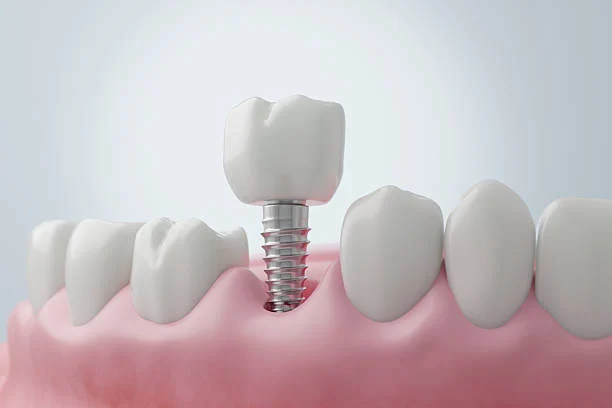
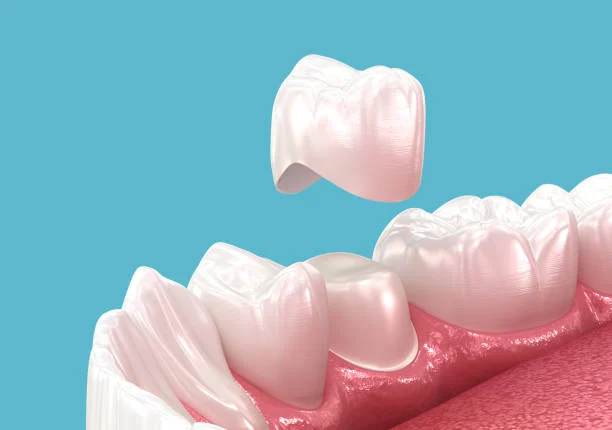
A dental crown is one of the most important medical restorations that protects damaged teeth and restores their function and aesthetic appearance. But when do you need to replace an old dental crown? This question is asked by many patients who have dental crowns for many years. In this article, you will learn about all the indicators and symptoms that indicate the necessity of replacing an old dental crown, in addition to the expected lifespan of crowns and tips for maintaining them.
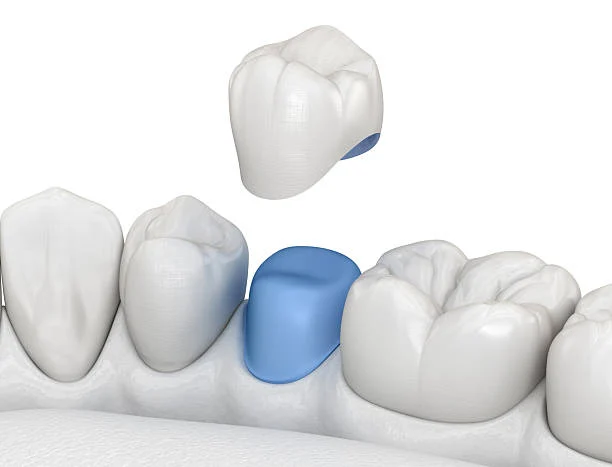
When do you need to replace an old dental crown? The answer depends on several health, functional, and aesthetic factors that we will detail in detail in the following lines.
When do you need to replace an old dental crown?
A dental crown is considered strong protection for a damaged or affected tooth, but it is not eternally permanent. Over time, some problems may begin to appear that require attention and replacement. Therefore, it is very important to know when you need to replace an old dental crown to ensure the continued health of your teeth and your beautiful smile.
Average Lifespan of a Dental Crown
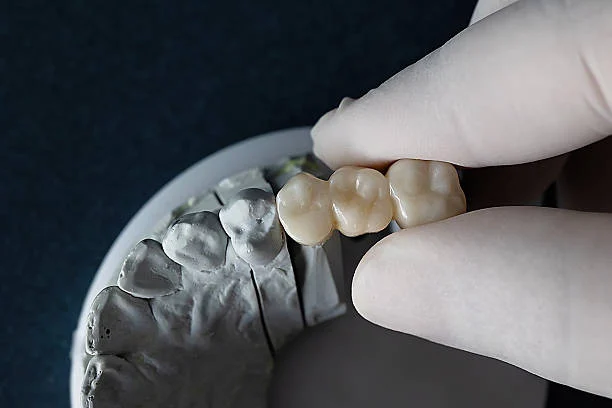
When do you need to replace an old dental crown? One of the basic factors is the duration of crown use. The average lifespan of dental crowns ranges from 5 to 15 years, and this depends on the type of crown and how it is cared for. Metal crowns last longer and may reach 10-15 years, while porcelain or ceramic crowns typically last 5-10 years.
Average lifespan of a dental crown
If your dental crown is older than 10-15 years, it may be wise to replace it even if no clear symptoms appear. Crowns undergo gradual wear over time due to daily use in chewing and drinking. When do you need to replace an old dental crown? When it reaches its maximum expected lifespan, it becomes more prone to cracking or damage.
The expected lifespan also varies depending on the crown’s location in the mouth. Crowns in back molars typically last longer because they are exposed to less pressure than crowns in front teeth that are used frequently for chewing and grinding.
Visible Wear or Damage
When do you need to replace an old dental crown? When signs of wear or visible damage appear on the crown. If the restorations show cracks or fractures, you may need to replace them immediately. Ceramic crowns are more prone to cracking, while metal crowns gradually wear over time.
Wear may be minor at first but worsens over time. Visible wear or cracking in the crown means the protection provided to the tooth is no longer effective, and this may lead to tooth decay under the crown. Small cracks may allow bacteria and food to enter between the crown and the tooth, creating a suitable environment for decay.
When do you need to replace an old dental crown? When there is any visible damage such as deep cracks or small fractures. A large fracture may cause sudden pain when chewing, while small cracks may not show symptoms until decay progresses. It’s important to examine crowns regularly to detect any damage in early stages.
Read also: What is the Appropriate Age for Facelift Surgery?
Color Change or Appearance
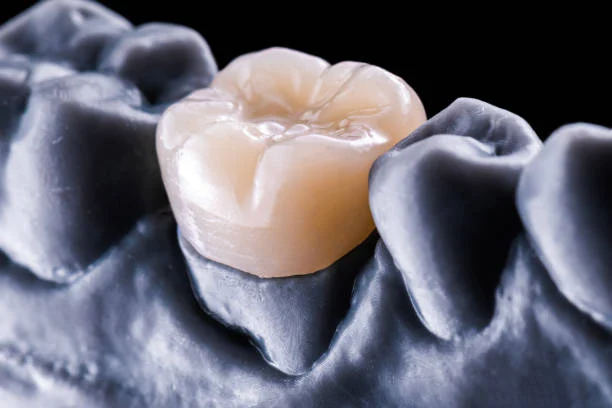
When do you need to replace an old dental crown? When the crown’s color changes or becomes unattractive aesthetically. If the restorations change color or become faded compared to other teeth, it may be best to replace them to improve appearance. Porcelain crowns especially may change color over time due to exposure to colored foods and drinks like coffee and tea.
Color change or appearance
Color change may also occur due to stain accumulation on the crown surface. Metal crowns may show black or gray spots around the edges, while porcelain crowns may become faded or lighter in color. Color change may also indicate decay under the crown or bacteria leakage between the crown and the tooth.
When do you need to replace an old dental crown? When the appearance becomes aesthetically unacceptable or when color change indicates a health problem. If you notice a change in the crown’s color or appearance of abnormal spots, contact your dentist for examination.
Discomfort or Pain
When do you need to replace an old dental crown? When you feel discomfort or pain when using the crown. If you feel pain when chewing or pressure on the tooth covered by the crown, this may be a sign that the crown no fits properly anymore. Pain may be minor at first but increases over time if the problem is not treated.
Discomfort or pain
Persistent pain or permanent sensitivity may indicate a problem with the filling or pulp under the crown. Sensitivity to cold or hot foods may indicate leakage between the crown and the tooth allowing bacteria entry. Pain when drinking cold or hot water is a clear indicator of a problem.
When do you need to replace an old dental crown? When there is recurrent pain or inability to chew normally. Persistent pain may mean the tooth under the crown has decay or infection and requires immediate treatment. Don’t wait until pain becomes severe, as early treatment is more effective and less costly.
Gum Problems and Infections
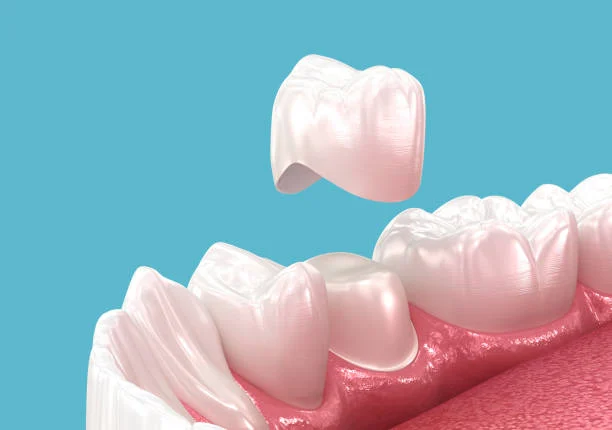
When do you need to replace an old dental crown? When you suffer from inflammation or bleeding in the gums around the restorations. If you suffer from gum inflammation or continuous bleeding around the crown, it may be necessary to replace it. Gum inflammation may result from a gap between the crown and the tooth allowing bacteria entry, or may be due to an unsuitable crown causing pressure on the gums.
Gum problems and infections
Gum inflammation around the crown may lead to more serious gum diseases such as loss of supporting bone for teeth. Abscess or infection in the gums around the crown is a serious sign requiring immediate replacement. The abscess may appear as a red or white swelling in the gums and may cause severe pain.
When do you need to replace an old dental crown? When there are chronic infections or bleeding in the gums around the crown. Continuous inflammation may damage the tooth under the crown and supporting bone, leading to tooth loss if not treated.
Crown Loosening or Movement
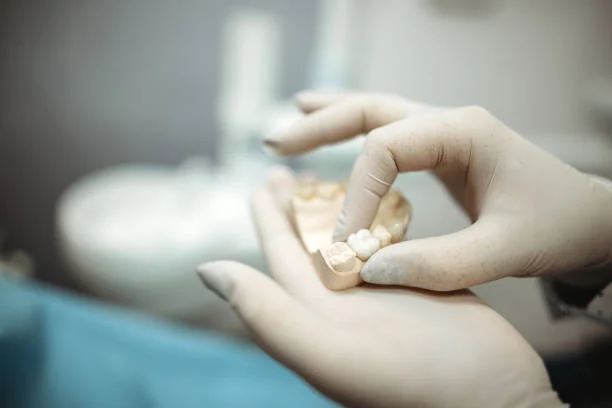
When do you need to replace an old dental crown? When the crown becomes loose or moves in place. Crown loosening means the adhesive material that fixes the crown to the tooth has begun to break down, and this opens a path for bacteria to cause decay. A loose crown may allow food and bacteria to enter between the crown and the tooth, creating an ideal environment for decay.
Crown loosening or movement
If the crown moves when chewing or drinking, this is a major risk to the health of the tooth under the crown. A loose crown may fall completely and leave the tooth unprotected. Crown falling may cause sudden pain and leave the tooth exposed to damage.
When do you need to replace an old dental crown? When noticing any movement or loosening in the crown, even if minor. Don’t try to repair a loose crown yourself; contact your dentist immediately. A loose crown may need complete replacement, not just re-fixing.
Decay Under the Crown
When do you need to replace an old dental crown? When there is decay under the old crown. Decay under the filling may appear as pain, bad odor, or observing decay during examination. Decay under the crown is very dangerous because it may damage the base tooth and lead to tooth loss if not treated.
Decay under the crown
Decay under the crown may not show clear symptoms at first, but worsens over time. Bad odor from the tooth covered by the crown may indicate decay or infection under the crown. The bad odor may be continuous even after cleaning teeth, indicating an internal problem.
When do you need to replace an old dental crown? When discovering any decay under the crown, even if small, the crown must be replaced and decay treated. Advanced decay may require pulp treatment or even tooth loss. Periodic examination with X-rays is the best way to detect decay under the crown.
Gap Between Crown and Tooth
When do you need to replace an old dental crown? When there is a gap between the crown and the tooth causing sensitivity or inflammation. A gap between the crown and the tooth causes subsequent sensitivity or inflammation. This gap allows bacteria and food to enter between the crown and the tooth, leading to decay and infection.
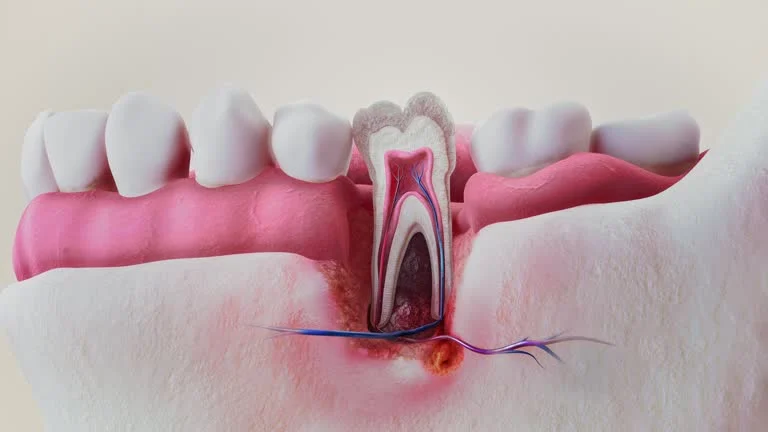
The gap between the crown and the tooth may arise due to adhesive material breakdown or crown wear. Sudden sensitivity to food or drinks may be a result of a gap between the crown and the tooth. Sensitivity to cold or hot indicates leakage allowing bacteria entry.
When do you need to replace an old dental crown? When noticing a clear gap or increased sensitivity indicating leakage between the crown and the tooth. A large gap may allow complete food entry, causing pain when chewing.
Changes in Mouth or Jaw Shape
When do you need to replace an old dental crown? When changes occur in mouth or jaw shape such as losing other teeth. Any changes in mouth or jaw shape such as tooth loss or bone changes may require replacing restorations. Losing other teeth may change chewing balance and pressure old crowns unnaturally.
Jaw bone changes may make the old crown unsuitable anymore. Tooth loss leads to movement of other teeth and change in jaw alignment, affecting crown fit. When do you need to replace an old dental crown? When major changes occur in mouth or jaw structure affecting crown fit.
Read also: Types of Dental Implants: Comprehensive Guide for Choosing the Right Solution
Dentist’s Recommendations
When do you need to replace an old dental crown? When the dentist recommends replacement after periodic examination. It’s important to consult your dentist regularly, and if your doctor recommends replacing restorations, you should follow their advice. The dentist can detect problems invisible to the patient such as decay under the crown using X-rays.
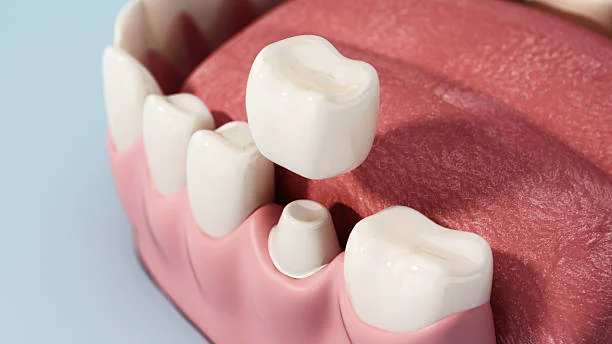
Periodic examination with imaging is the best way to know the need for replacement. X-rays show decay under the crown and bone problems that cannot be seen with regular examination. When do you need to replace an old dental crown? When your dentist tells you the crown is no longer safe or needs replacement.
Tips to Extend Dental Crown Lifespan
To ensure your dental crown lasts as long as possible, follow these tips:
-
Daily care: Clean your teeth regularly using a soft brush and dental floss daily
-
Avoid hard foods: Don’t crack walnuts or bite hard foods with the crown
-
Visit your dentist: Periodic examination every 6 months to check crown condition
-
Use appropriate toothpaste: Choose toothpaste without rough particles that may wear the crown
-
Protect the crown during sleep: If you clench your teeth during sleep, use a tooth guard
When do you need to replace an old dental crown? Even with good care, crowns will need replacement after their expected lifespan, but proper care may extend their life.
Conclusion
When do you need to replace an old dental crown? The answer depends on several indicators: wear or damage, color change, pain and discomfort, gum problems, crown loosening, decay under the crown, gap between crown and tooth, mouth changes, and doctor’s recommendations. If you notice any of these symptoms, contact your dentist immediately to replace the old crown. When do you need to replace an old dental crown? When it reaches its expected lifespan of 10-15 years or when any of the above signs appear. Early replacement protects your tooth from decay and loss and maintains your smile healthy and beautiful.
Frequently Asked Questions
1. Should a dental crown be replaced after 10 years?
Not necessarily, but if the crown reaches its expected lifespan of 10-15 years, it may be wise to replace it even if no symptoms appear. Periodic examination at the dentist is best for determining the need for replacement.
2. What is the cost of replacing an old dental crown?
The cost of replacing a dental crown varies depending on crown type (metal, porcelain, ceramic) and clinic location. It usually ranges between $150-500 per crown, but it’s better to consult your dentist for an accurate price.
3. Can a broken dental crown be repaired instead of replaced?
In some minor cases, small cracks can be repaired, but if the fracture is large or there is decay under the crown, it must be completely replaced.
4. How do I know if a dental crown is loose?
You can know when the crown moves when chewing or drinking, or you feel instability in its place. If you feel any movement, contact your dentist immediately.
5. Does replacing a dental crown require pulp filling?
No, replacing a dental crown doesn’t usually require pulp filling, unless there is deep decay or infection under the crown requiring pulp treatment.
6. What is the difference between a dental crown and a filling?
A dental crown covers the entire tooth from outside for protection, while a filling fills the gap inside the tooth after removing decay. Crowns are more durable and last 5-15 years while fillings last 5-10 years.
7. Can an old dental crown be used again?
Usually no, because the old crown may be damaged or no longer suitable for the tooth after removal. A new crown must be made appropriate for the current tooth shape.
Related Articles:
Dental Veneers or Crowns (Crowns): Which is Better for Improving Your Smile?