Hair Transplant Care During the First 30 Days
The recovery period after a hair transplant is one of the most important stages that determine the success of final results. No matter how advanced the technique used is and how experienced the doctor is, adhering to medical instructions plays a fundamental role in protecting transplanted follicles and ensuring their healthy growth. Therefore, many people search for the best ways for hair transplant care during the first 30 days to ensure obtaining thick and natural hair in the future.
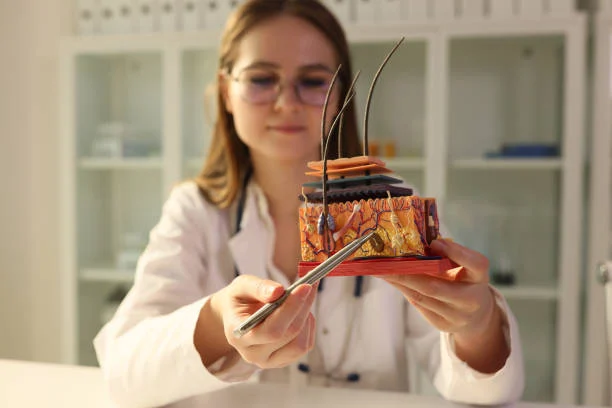
The first thirty days after hair transplant are characterized by extreme sensitivity, as the transplanted follicles are in the stabilization stage inside the scalp. For this reason, following hair transplant care instructions during the first 30 days helps reduce complications, accelerate recovery, and achieve the best possible results.
Importance of Hair Transplant Care During the First 30 Days
The importance of hair transplant care during the first 30 days lies in that the transplanted follicles are newly stabilized inside the scalp. During this period, they need special protection from external factors that may affect their stability or cause scalp irritation.
Also, adhering to medical instructions during this stage reduces the likelihood of infections or swelling and helps new hair grow in a healthy and natural way.
The First Day After the Procedure
The first day is considered one of the most important stages of hair transplant care during the first 30 days, as the transplanted follicles are most sensitive to any friction or pressure.
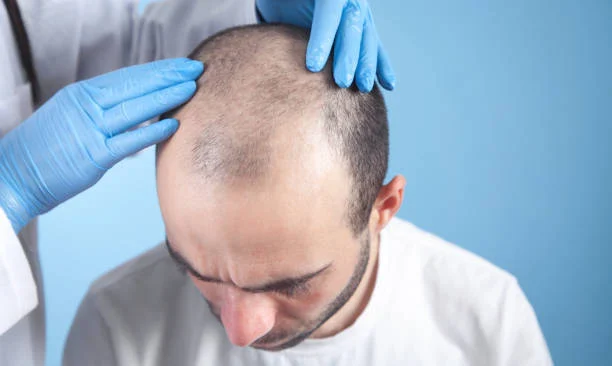
During this period, the following is recommended:
-
Avoid touching the transplanted area
-
Do not scratch the scalp
-
Adhere to medications prescribed by the doctor
-
Sleep correctly to prevent friction with follicles
-
Avoid any violent physical activity
It’s also important to ensure adequate rest during the first hours after the procedure to ensure follicle stability.
Correct Sleeping Method During the First Days
One of the most important hair transplant care instructions during the first 30 days is adhering to the correct sleeping method.
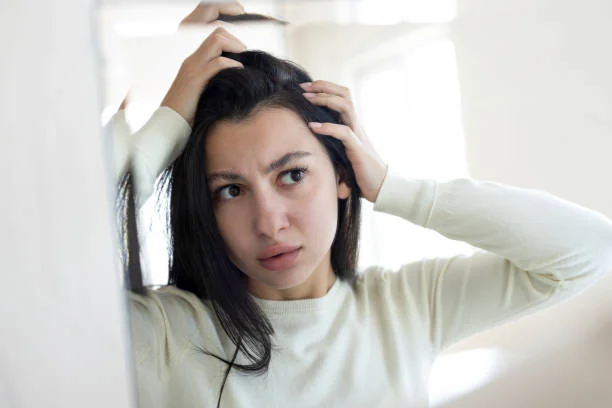
Sleeping with the head raised at an appropriate angle using more than one pillow during the first days is usually recommended. This helps reduce swelling and prevent the transplanted area from friction with the bed.
It’s also preferable to sleep on your back and avoid sleeping on the sides or stomach during the period specified by the doctor.
Washing Hair After Transplant
Washing hair is one of the most things that raises patient questions when talking about hair transplant care during the first 30 days.
Generally, the doctor determines the date of the first hair wash after the procedure, and it’s often after several days according to the condition. You must use only recommended products while avoiding scrubbing the scalp or exposing it to direct pressure.
Hair should be washed very gently to preserve transplanted follicles during the recovery stage.
Read also: How to Choose the Right Eye Lens Color for Skin and Hair Color?
Dealing with Scabs After Transplant
Scabs appear naturally during the first days and are an expected part of the healing process. When talking about hair transplant care during the first 30 days, you must not try to remove these scabs forcefully.
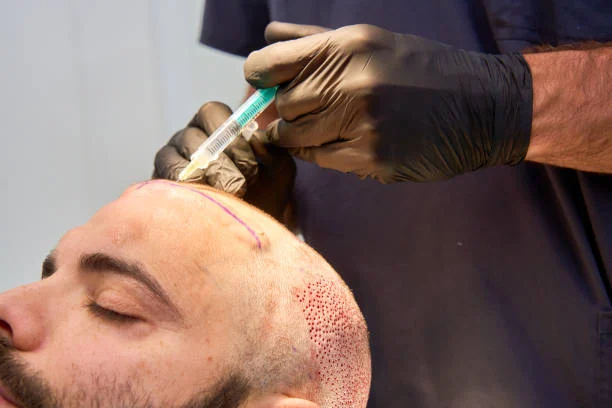
Dealing with scabs after transplant
Scabs gradually fall off with gentle washing and adhering to the doctor’s instructions. Trying to peel them manually may affect the transplanted follicles and delay the recovery process.
Avoiding Sun Exposure
One of the important instructions related to hair transplant care during the first 30 days is protecting the scalp from direct sunlight.
Long exposure to sun may cause skin irritation and increased sensitivity in the transplanted area. Therefore, it’s preferable to avoid going out during high heat periods or using protection methods recommended by the doctor.
Physical Activity and Sports
Many wonder about the return date to sports exercises when searching for hair transplant care during the first 30 days.
Avoiding strenuous physical activities during the first days after the procedure is usually recommended, as excessive sweating and increased blood pressure may affect the recovery process.
After that, gradual return to physical activity is possible according to the treating doctor’s instructions.
Nutrition and Its Role in Hair Transplant Care During the First 30 Days
Healthy nutrition plays an important role in hair transplant care during the first 30 days, as the body needs necessary nutritional elements to support the healing process and enhance hair growth.
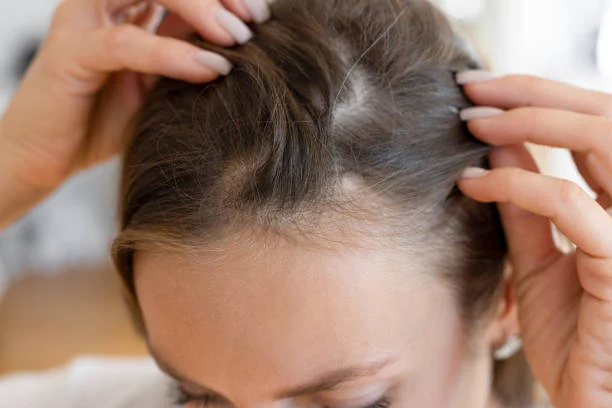
Nutrition and its role in hair transplant care during the first 30 days
It’s recommended to consume:
-
High-quality proteins
-
Fresh vegetables and fruits
-
Foods rich in iron and zinc
-
Foods containing important vitamins for hair
It’s also preferable to drink adequate amounts of water to maintain body and scalp hydration.
Abstaining from Smoking and Alcohol
When talking about hair transplant care during the first 30 days, the effect of smoking and alcohol cannot be ignored.
These habits may affect blood flow to the scalp and slow tissue healing process, which may negatively reflect on hair transplant results.
Therefore, abstaining from them during the recovery period for the duration specified by the doctor is recommended.
Transplanted Hair Falling After the Procedure
Some patients feel concerned when noticing transplanted hair falling during the first weeks. However, this stage is considered natural within the stages of hair transplant care during the first 30 days.
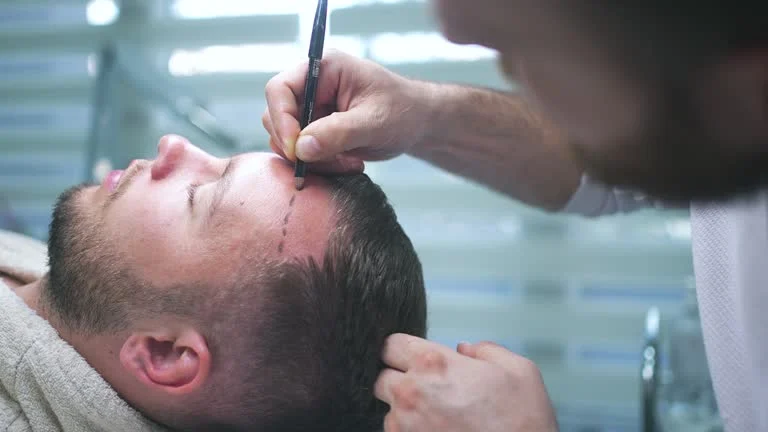
Transplanted hair falling after the procedure
This is known as “temporary shedding” or “shock loss,” where the transplanted hair strands fall while the follicles remain stable inside the scalp ready for new hair growth during the following months.
Signs Requiring Doctor Review
Although most recovery stages pass naturally, some symptoms require immediate doctor consultation, including:
-
Severe unusual pain
-
Excessive swelling
-
Appearance of discharge or infection signs
-
Rising body temperature
-
Continuous bleeding
Medical follow-up is considered an important part of the hair transplant care program during the first 30 days.
First Month Results After Hair Transplant
By the end of the first month, the scalp begins to gradually return to its natural state. Most scabs and redness also disappear, and the transplanted area becomes more stable.
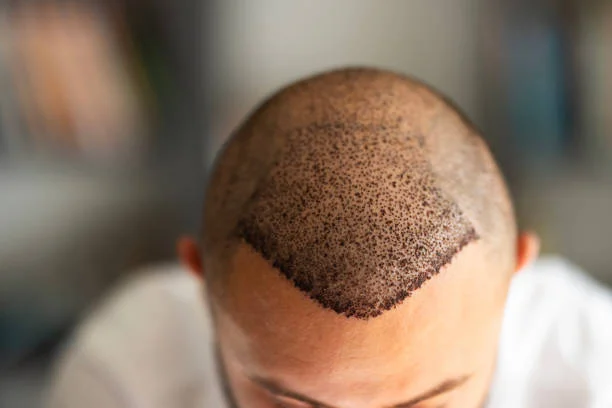
Although final results do not appear during this stage, adhering to hair transplant care steps during the first 30 days lays the correct foundation for healthy and thick hair growth during the coming months.
Golden Tips for Hair Transplant Care During the First 30 Days
To obtain the best results, the following is recommended:
-
Complete adherence to doctor’s instructions
-
Avoid touching the transplanted area without necessity
-
Washing hair in the recommended method
-
Avoiding direct sun exposure
-
Staying away from smoking and alcohol
-
Following a healthy and balanced dietary system
-
Attending all medical follow-up sessions
Conclusion
Hair transplant care during the first 30 days is considered one of the most important factors that directly affect the success of the hair transplant procedure and the stability of transplanted follicles. During this sensitive period, hair needs careful care and strict adherence to doctor’s instructions to protect results and achieve the best possible growth rate.
Adhering to hair transplant care steps during the first 30 days gives follicles sufficient opportunity to stabilize and grow healthily, and understanding the importance of hair transplant care during the first 30 days helps avoid common mistakes that may affect the final procedure results.
Frequently Asked Questions
1. When can hair be washed after hair transplant?
This varies according to the doctor’s instructions, but hair is generally washed for the first time after several days from the procedure in a special and gentle method.
2. Is transplanted hair falling during the first month natural?
Yes, temporary shedding is considered one of the natural stages after hair transplant and does not mean procedure failure.
3. When can one return to exercising?
This depends on the type of physical activity and doctor’s recommendations, but strenuous sports are generally avoided during the first days.
4. Can one be exposed to sun after hair transplant?
Direct sun exposure is preferable to be avoided during the first weeks to protect the scalp and transplanted follicles.
5. When do hair transplant results start appearing?
Initial results gradually appear after several months, while final results typically appear during a period ranging between 9 and 12 months.