Causes of Dental Veneers Falling or Damaging and How to Prevent Them
Dental veneers are among the most prominent modern cosmetic solutions that help obtain an attractive and coordinated smile. Despite these veneers being characterized by durability and high quality when properly installed, some people may face problems related to their falling or exposure to damage over time.
Therefore, knowing the causes of dental veneers falling or damaging and how to prevent them is necessary for maintaining treatment results and ensuring the beautiful smile continues for the longest possible time.
In this article, we will learn in detail about the causes of dental veneers falling or damaging and how to prevent them, in addition to the most important tips that help maintain dental veneers in excellent condition.
What Are Dental Veneers?
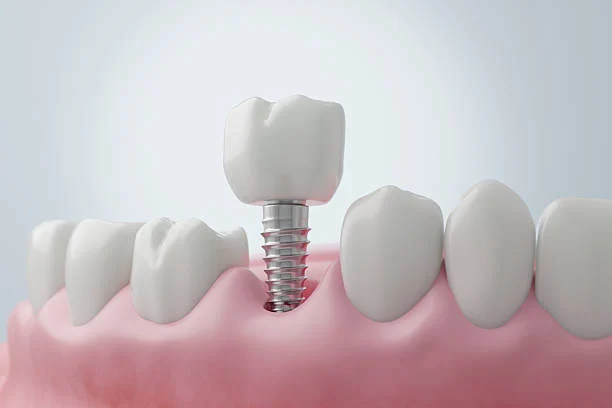
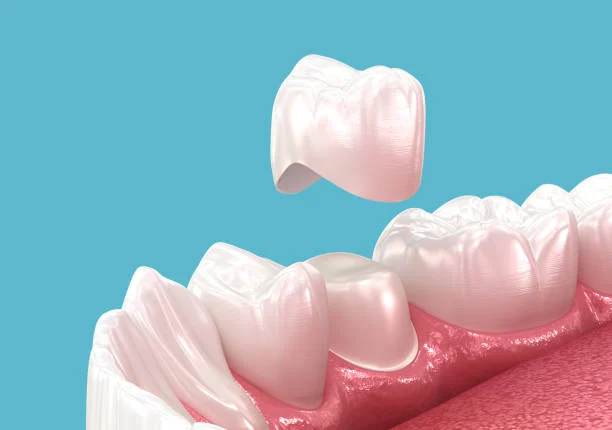
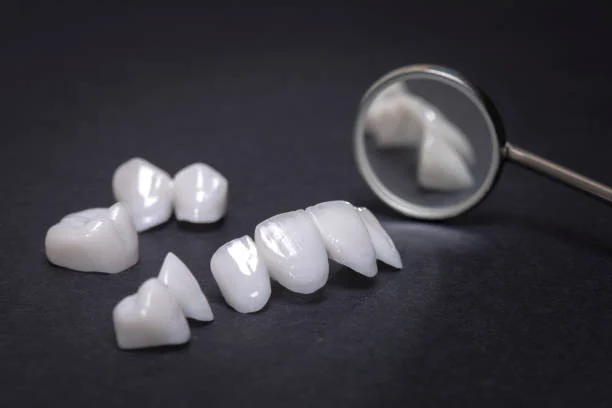
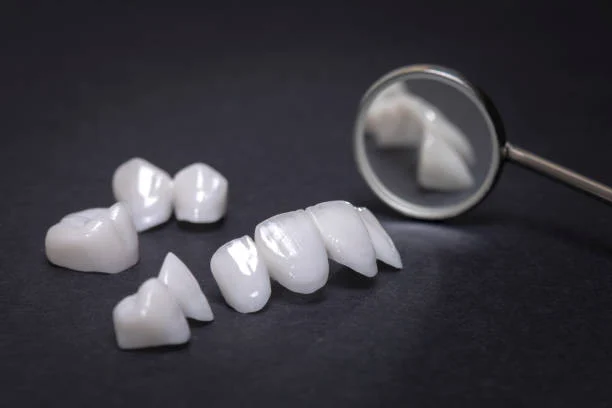
Before talking about the causes of dental veneers falling or damaging and how to prevent them, it’s important to understand the concept of dental veneers. They are very thin shells usually made from porcelain or composite materials, and are fixed on the front surface of teeth to improve shape and color and hide various defects such as discolorations, small gaps, and tooth irregularity.
Dental veneers are characterized by their natural appearance and their ability to improve the smile noticeably, but they need special care to maintain their quality and durability.
Causes of Dental Veneers Falling or Damaging and How to Prevent Them: Poor Fixation
Poor fixation is considered one of the most common causes of dental veneers falling or damaging and how to prevent them. In some cases, the correct steps may not be adhered to during the installation process, or low-quality adhesive materials may be used, leading to weak veneer attachment to teeth.

Also, not preparing teeth appropriately before fixation may negatively affect adhesion strength and increase the likelihood of veneers falling over time.
Causes of Dental Veneers Falling or Damaging and How to Prevent Them: Trauma Exposure
One of the most important causes of dental veneers falling or damaging and how to prevent them is exposure to direct trauma on the mouth and teeth. Sports accidents, sudden falling, or strong blows may cause veneer cracking, breaking, or even detachment from teeth.
For this reason, people practicing violent sports are advised to use appropriate mouth guards to protect teeth and veneers from damage.
Read also: Liposuction: Difference Between Modern and Old Techniques
Causes of Dental Veneers Falling or Damaging and How to Prevent Them: Teeth Grinding
Some people suffer from the habit of teeth clenching or grinding during sleep or during stress and psychological pressure periods. This habit is considered one of the most prominent causes of dental veneers falling or damaging and how to prevent them because it imposes great pressure on veneers and natural teeth.
Over time, continuous friction may cause fine cracks in veneers or weaken the adhesive material, increasing the likelihood of their falling or exposure to breaking.
Causes of Dental Veneers Falling or Damaging and How to Prevent Them: Eating Hard Foods
Eating solid and hard foods is considered one of the important factors when talking about the causes of dental veneers falling or damaging and how to prevent them. Attempting to break hard nuts, chewing ice, or opening containers using teeth may lead to direct veneer damage.

Despite dental veneers being relatively strong, they are not designed to withstand excessive pressures resulting from these wrong behaviors.
Causes of Dental Veneers Falling or Damaging and How to Prevent Them: Poor Basic Tooth Health
In some cases, original teeth suffer from decay, gum diseases, or weak tooth structure. This is considered one of the causes of dental veneers falling or damaging and how to prevent them because veneer success depends greatly on the health of the teeth they rest on.
When teeth are exposed to health problems after veneer installation, this may affect their stability and steadiness and increase the likelihood of detachment.
Causes of Dental Veneers Falling or Damaging and How to Prevent Them: Neglecting Oral Care
Mouth cleanliness plays a fundamental role in maintaining veneers. Neglecting tooth cleaning and using dental floss is considered one of the most prominent causes of dental veneers falling or damaging and how to prevent them.

Plaque and bacteria accumulation around veneer edges may lead to gum inflammation or neighboring tooth decay, which weakens veneer stability and affects their lifespan.
How to Prevent Dental Veneers from Falling or Damaging
After learning about the causes of dental veneers falling or damaging and how to prevent them, it’s important to know the procedures that help maintain veneers in excellent condition.
Maintaining Mouth and Tooth Cleanliness
Tooth cleaning twice daily is recommended using a soft brush and appropriate paste, in addition to using dental floss and mouthwash to help remove bacteria and maintain gum health.
How to prevent dental veneers from falling or damaging
Visiting the Dentist Regularly
Periodic visits to the dentist help detect any problems early before they affect veneers. The doctor can also check fixation safety and make any necessary adjustments.
Avoiding Harmful Habits
It’s important to abstain from using teeth to open containers, biting hard objects, or chewing ice. These habits greatly increase the likelihood of veneer damage.
Using Night Mouth Guard
If you suffer from teeth clenching during sleep, the doctor may recommend using a night guard to protect teeth and veneers from continuous pressure.
Choosing a Specialist Doctor
Choosing a dentist with experience and competence is considered one of the most important treatment success factors. Professional installation greatly reduces the likelihood of problems related to veneers.
Signs Indicating a Problem with Dental Veneers
There are some signs that may indicate the necessity of immediate doctor review, including:
-
Feeling veneer movement or instability
-
Appearance of clear cracks or fractures
-
Significant veneer color change
-
Feeling unusual pain or sensitivity
-
Gum inflammation or bleeding around the veneer
When noticing any of these symptoms, it’s preferable not to delay the doctor visit to avoid problem worsening.
Lifespan of Dental Veneers
The lifespan of dental veneers varies according to the type of material used and the person’s adherence to daily care. On average, veneers can last from 10 to 15 years or more when maintained properly and avoiding factors leading to their damage.
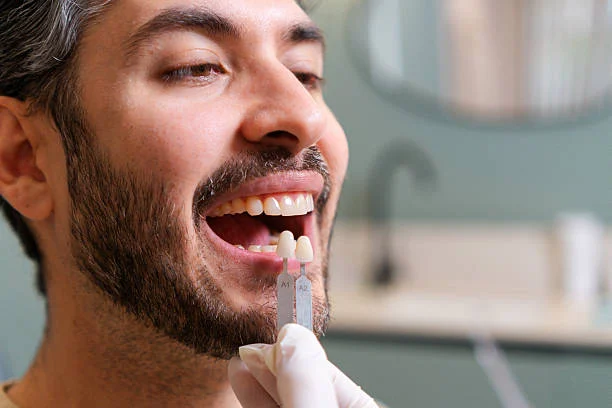
Therefore, understanding the causes of dental veneers falling or damaging and how to prevent them directly helps extend veneer lifespan and maintain their aesthetic appearance.
Conclusion
In the end, knowing the causes of dental veneers falling or damaging and how to prevent them is considered an important step for maintaining the beautiful smile and avoiding problems that may affect veneer quality and lifespan. Also, adhering to doctor’s instructions and daily mouth care greatly helps reduce damage or falling chances.
If you want to maintain your treatment results for the longest possible time, it’s necessary to understand the causes of dental veneers falling or damaging and how to prevent them and be keen to apply preventive tips continuously. Adhering to these guidelines makes the causes of dental veneers falling or damaging and how to prevent them just risks that can be easily avoided through proper care and regular follow-up.
Frequently Asked Questions
1. Can dental veneers fall after installation?
Yes, dental veneers may fall in some cases due to poor fixation, trauma exposure, or problems in supporting teeth.
2. What is the most common cause of dental veneer damage?
Teeth grinding and eating hard foods are considered among the most common causes of veneer damage or exposure to breaking.
3. Can damaged dental veneers be repaired?
This depends on the damage size; in some cases they can be repaired, while other cases require complete veneer replacement.
4. How do I maintain dental veneers for the longest possible time?
Through regular tooth cleaning, visiting the dentist periodically, and avoiding harmful habits like chewing ice or opening containers with teeth.
5. How long do dental veneers usually last?
Dental veneers can last from 10 to 15 years or more when cared for properly.
Related Articles:
Dental Veneers or Crowns (Crowns): Which is Better for Improving Your Smile?