Types of Dental Implants: A Comprehensive Guide for Choosing the Right Solution
Dental implants have become the optimal solution for replacing missing teeth, and with the development of medical technologies, different types of dental implants have emerged that suit every case. In this comprehensive guide, I will explain in detail all available types of dental implants and how to choose the right solution for your health and financial needs.
Types of Dental Implants: A Comprehensive Guide for Choosing the Right Solution
What Are Dental Implants and Why Are They an Excellent Choice?
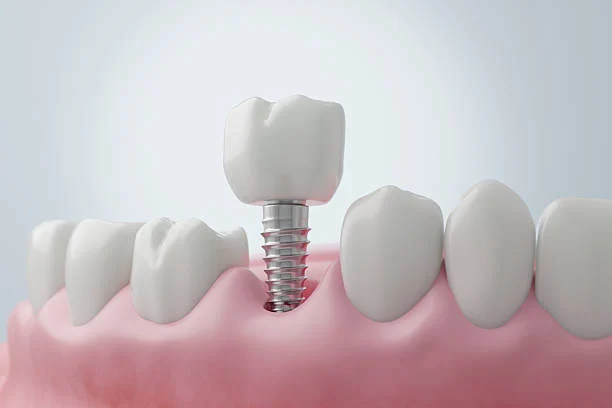
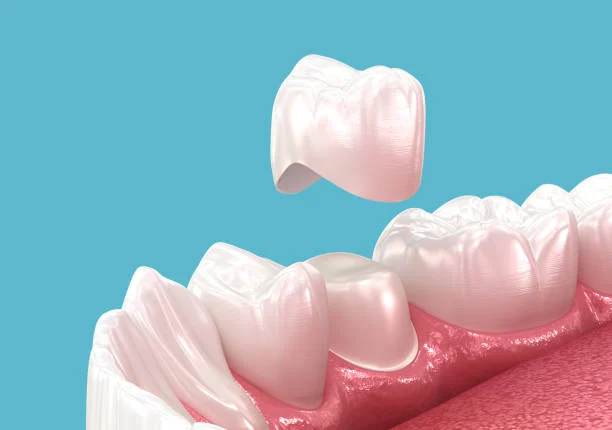
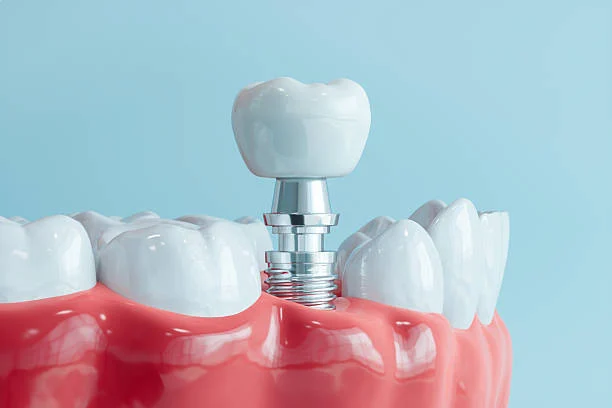
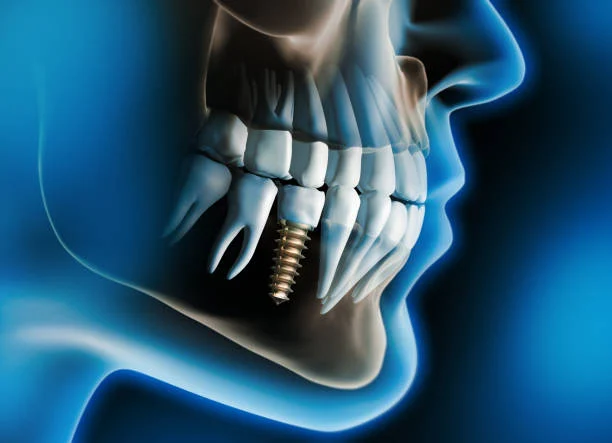
Types of dental implants vary according to the technique used and the implant location in the jaw, but all aim to restore your natural function in chewing and speaking. Modern types of dental implants rely on titanium implants that fuse with the jawbone to provide a stable foundation for artificial teeth. Types of dental implants surpass traditional alternatives like removable dentures because they give you natural feeling and stability.
Types of dental implants are considered permanent solutions lasting for many years, and their success rate may reach 95–98% according to medical studies. Types of dental implants suitable for your case depend on accurate assessment by the specialist doctor including bone and gum examination and number of missing teeth.
Type 1: Endosteal Implants (Inside the Bone)
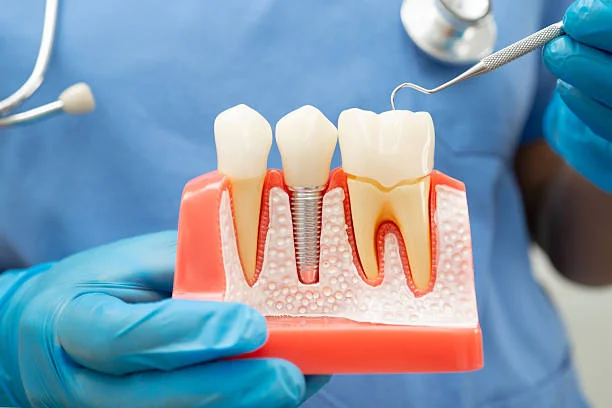
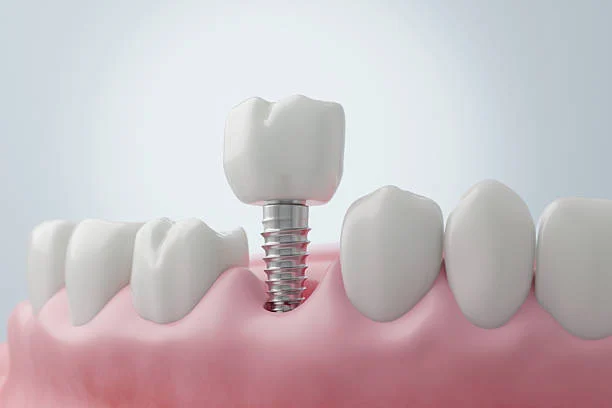
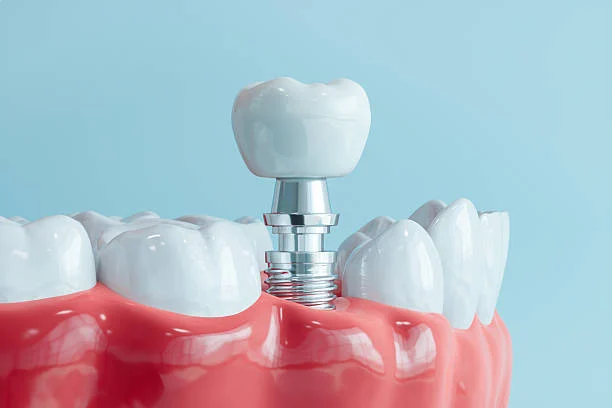
Types of dental implants begin with endosteal implants, which are the most common and widespread. Internal types of dental implants place the implant directly in the jawbone in the form of a small titanium screw. These types of dental implants suit people who have sufficient and strong jawbone to support the implants.
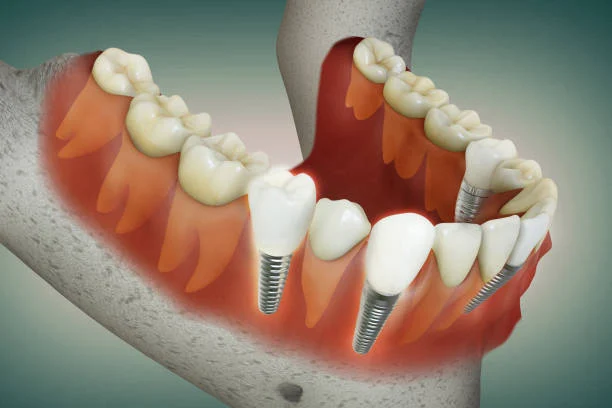
In internal types of dental implants, a surgical procedure is performed to open the gum and place the implant in the bone, then leave it to fuse with the bone during 3–6 months. Internal types of dental implants require a long healing period but provide permanent and excellent results. Types of dental implants of this type are used to replace one tooth or several teeth according to need.
Advantages of internal types of dental implants include high stability and natural feeling of the tooth, while the main disadvantage is the necessity of having sufficient bone and possible need for bone augmentation in some cases. Internal types of dental implants are considered the optimal option for most patients seeking a permanent solution.
Type 2: Subperiosteal Implants (Above the Bone)
Types of dental implants include subperiosteal implants used when the jawbone is weak or insufficient for internal implantation. Superficial types of dental implants place the implants above the jawbone but still under the gum, providing alternatives for people who cannot undergo bone augmentation.
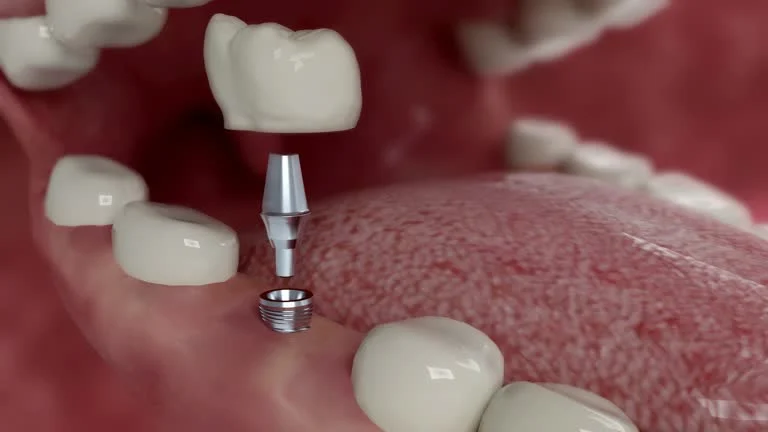
In superficial types of dental implants, a special metal base is designed to match the jaw shape and placed between the bone and gum. Types of dental implants of this type are less common than internal ones but suit special cases where bone is insufficient. Superficial types of dental implants require precise surgery to place the implants in the correct location.
Superficial types of dental implants are characterized by not needing sufficient bone, but they may be less stable than internal implants. These types of dental implants suit patients who want a quick solution without waiting for a long period for bone fusion. Superficial types of dental implants may need more periodic maintenance than other types.
Type 3: Zygomatic Implants (Cheekbone Implants)
Advanced types of dental implants include zygomatic implants used for very special cases of tooth loss. Cheekbone types of dental implants place the implants in the cheekbone (zygomatic bone) instead of the jawbone, providing strong support even in cases of severe bone loss.
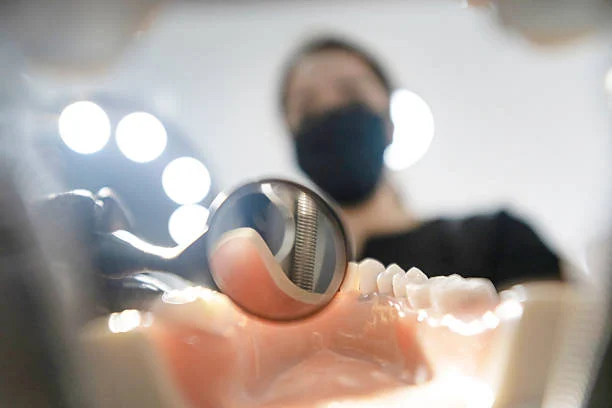
Cheekbone types of dental implants are among the most complex types of dental implants and require a specialized doctor with high experience. These types of dental implants suit patients who have lost upper jawbone significantly and traditional implantation cannot be performed.
Cheekbone types of dental implants provide a final solution for the upper jaw in stubborn cases.
Read also: Surgical Facelift: When Is It the Best Solution for Wrinkles and Sagging?
Advantages of Cheekbone Types of Dental Implants
Cheekbone types include the ability to treat severe bone loss cases, but the disadvantage is high surgical complexity and high cost. Cheekbone types of dental implants are considered another option when all other traditional types of dental implants fail.
Advantages of Cheekbone Types of Dental Implants
Immediate Load Implants (Instant Implants)
Modern types of dental implants include immediate implants that allow installing the artificial tooth on the same day of the procedure. Instant types of dental implants provide speed service where the patient can get a new tooth within a few hours. These types of dental implants suit certain cases only after accurate assessment by the doctor.
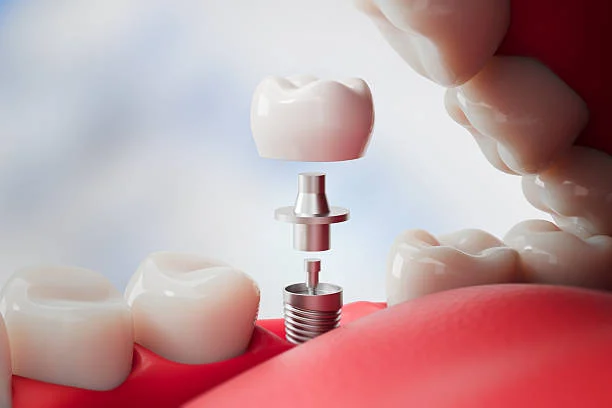
In instant types of dental implants, the implant is placed and the temporary crown is installed directly, then replaced with a permanent crown after implant fusion. Instant types of dental implants require strong jawbone and excellent gum health to ensure success. Types of dental implants of this type reduce the number of medical appointments and save long time.
Instant types of dental implants are characterized by speed and comfort for the patient, but they may be less successful than traditional implantation in some cases. Instant types of dental implants do not suit all patients and require special conditions. Instant types of dental implants are considered an excellent option for patients who want a quick solution to replace teeth.
Digital Implants
Advanced types of dental implants include digital implants that rely on three-dimensional planning and digital design. Digital types of dental implants use special programs to design the procedure with extreme precision before starting surgery. Types of dental implants of this type are considered among the most precise and safe types of dental implants currently.
In digital types of dental implants, a 3D CT scan of the jaw is performed then simulation programs are used to design ideal implant positions. Digital types of dental implants reduce procedure risks and increase success rate. Digital types of dental implants allow the doctor to perform the procedure in less time with higher precision.
Advantages of digital types of dental implants include high precision and safety, while cost may be higher than traditional types of dental implants. Digital types of dental implants suit patients seeking the most advanced solution. Digital types of dental implants are considered the future of modern dentistry.
All-on-4 and All-on-6 Technique for Full Jaw
Advanced types of dental implants include All-on-4 and All-on-6 techniques used for full jaw implantation. All-on-4 types of dental implants rely on planting only 4 implants to support full jaw teeth, while All-on-6 uses 6 implants. These types of dental implants suit patients who have lost all jaw teeth.
In All-on-4 types of dental implants, implants are placed at specific angles to provide maximum support for artificial teeth. All-on-6 types of dental implants provide more stable support and are used in weak bone cases. Types of dental implants from these techniques reduce the need for more implants and provide a stable jaw solution.
All-on-4 and All-on-6 types of dental implants are characterized by lower cost than traditional implantation per tooth, and provide less time in treatment. These types of dental implants suit elderly people and those suffering from complete tooth loss. All-on types of dental implants are among the most common types for full jaw.
How to Choose the Best Type of Dental Implant
Choosing suitable types of dental implants depends on multiple factors including bone condition, number of missing teeth, general health, and budget. Types of dental implants must be determined after accurate assessment by the specialist doctor including clinical examination and 3D imaging.
How to Choose the Best Type of Dental Implant
Important Factors in Choosing Types of Dental Implants:
-
Bone Density: Strong bone suits internal implantation, while weak bone needs subperiosteal or zygomatic implantation
-
Number of Missing Teeth: One tooth needs individual implantation, while full jaw needs All-on-4 or All-on-6
-
General Health: Diseases like diabetes may affect choosing types of dental implants
-
Budget: Digital and instant types of dental implants are more costly than traditional ones
-
Time: Instant implantation provides a quick solution while traditional requires healing period
Types of dental implants suitable for your case require visiting a specialist doctor in dental implantation. Types of dental implants must be chosen based on medical recommendations not only cost. Good types of dental implants last for many years and provide excellent investment value.
Costs of Types of Dental Implants and Influencing Factors
Types of dental implants vary in cost according to type used, geographical location, and doctor experience. Traditional types of dental implants cost approximately 12,000–25,000 Egyptian pounds per implant according to type. Digital and instant types of dental implants may be 30–50% more costly.
Costs of Types of Dental Implants and Influencing Factors
Factors Affecting Cost of Types of Dental Implants:
-
Implant Type: Original titanium is more costly than imitation types
-
Technique Used: Digital implantation is more costly than traditional
-
Need for Bone Augmentation: Increases additional cost by 5,000–10,000 pounds
-
Crown Used: Zirconia crown is more costly than metal crown
-
Location: Clinics in major cities are more costly
Turkish types of dental implants are considered an excellent economical option where cost is 40–50% less than Europe. Types of dental implants in Egypt provide good quality at suitable cost. Types of dental implants must be chosen based on quality not only low price.
Read also: Difference Between Aesthetic Fillings and Traditional Fillings
Treatment Duration of Types of Dental Implants and Healing Periods
Types of dental implants vary in treatment duration according to type used. Traditional types of dental implants require 3–6 months for implant fusion with bone before crown installation. Instant types of dental implants provide a tooth on the same day but permanent crown needs 3–4 months.
Treatment Duration of Types of Dental Implants and Healing Periods
Healing Periods for Types of Dental Implants:
-
Internal Implantation: 3–6 months for complete fusion
-
Instant Implantation: 1–2 weeks for initial healing, 3–4 months for fusion
-
Digital Implantation: 2–4 months for fusion
-
All-on-4: 3–4 months for complete fusion
-
Zygomatic Implantation: 4–6 months for fusion
Instant types of dental implants provide speed in treatment but may require more monitoring. Traditional types of dental implants require strict commitment to healing periods. Types of dental implants suitable depend on your time and needs.
Success Rate of Types of Dental Implants and When They May Fail
Types of dental implants are characterized by high success rate reaching 95–98% according to medical studies. Internal types of dental implants have the highest success rate while zygomatic types of dental implants may be 5–10% lower. Successful types of dental implants last for many years reaching 20–25 years.
Causes of Failure of Types of Dental Implants:
-
Implant Not Fusing: Occurs in 2–5% of cases
Causes of Failure of Types of Dental Implants:
-
Gum Inflammation: Peri-implantitis affects 10–15% of patients
-
Insufficient Bone: Leads to fusion failure
-
Chronic Diseases: Diabetes and non-smokers are more exposed to failure
-
Neglect in Care: Poor cleaning leads to inflammation
Successful types of dental implants require extreme care and daily cleaning. Types of dental implants need periodic reviews every 6 months. Types of dental implants chosen correctly provide excellent results.
Daily Care After Dental Implantation
Types of dental implants require extreme care to maintain long-term results. Successful types of dental implants need daily cleaning using soft brush and antibacterial rinse. Types of dental implants must be treated like natural teeth in care.
Daily Care After Dental Implantation
Care Tips for Types of Dental Implants:
-
Daily cleaning with brush and dental floss
-
Using antibacterial rinse
-
Avoiding solid foods in first two weeks
-
Doctor review every 6 months
-
Not smoking to ensure good fusion
-
Treating chronic diseases like diabetes
Types of dental implants need long-term care commitment. Good types of dental implants last with proper care. Types of dental implants require same care as natural teeth.
Frequently Asked Questions About Types of Dental Implants
1. What is the best type of dental implant?
Best types of dental implants depend on your individual case. Internal types of dental implants (Endosteal) are considered best for most patients because they provide high stability and 98% success rate. Digital types of dental implants are best for precision and safety, while instant types of dental implants are best for speed. Types of dental implants suitable are determined after doctor assessment.
2. Are dental implants completely safe?
Types of dental implants are very safe with 95–98% success rate. Modern types of dental implants use safe medical titanium causing no allergy. Types of dental implants may cause complications in only 2–5% of cases. Safe types of dental implants require specialist doctor and good care.
3. How long do dental implants last?
Types of dental implants last 15–25 years with proper care. Internal types of dental implants may last 20+ years. Instant types of dental implants last 15–20 years. Long-lasting types of dental implants require periodic care and reviews every 6 months.
4. Are dental implants painful?
Types of dental implants are not painful during procedure due to local anesthesia. Types of dental implants may cause mild pain after procedure for 2–3 days. Instant types of dental implants are less painful than traditional. Modern types of dental implants use techniques reducing pain.
5. What is the cost of dental implants in Turkey and Egypt?
Turkish types of dental implants cost $1,500–3,000 for full jaw. Types of dental implants in Egypt cost 12,000–25,000 pounds per implant. Turkish types of dental implants provide high quality at 40–50% lower cost. Types of dental implants in Egypt have good quality at suitable cost.
6. Can dental implantation be performed on the same day as extraction?
Instant types of dental implants can be performed on the same day as extraction in certain cases. Traditional types of dental implants need 3–6 months after extraction. Instant types of dental implants require strong bone and good health. Types of dental implants suitable are determined after doctor assessment.
7. What is the difference between All-on-4 and All-on-6?
All-on-4 types of dental implants use 4 implants for full jaw while All-on-6 uses 6 implants. All-on-6 types of dental implants provide more stable support for weak bone. All-on-4 types of dental implants have lower cost and faster treatment time. Types of dental implants suitable depend on bone condition.
8. Does smoking affect dental implants?
Types of dental implants in smokers may fail 10–15% higher than non-smokers. Types of dental implants require not smoking before and after procedure for 2–4 weeks. Successful types of dental implants need smoking cessation. Types of dental implants for smokers require accurate assessment.
Conclusion
Types of dental implants offer multiple solutions suits every individual case, from traditional internal implantation to advanced techniques like All-on-4 and digital implantation. Types of dental implants suitable for your case require accurate assessment by a specialist doctor including bone, gum, and general health examination.
In the end, remember that types of dental implants are an investment in your health and functional stability, and the correct choice provides you with results lasting for many years. Good types of dental implants restore your confidence in smiling and natural chewing ability, so do not hesitate to visit a specialist doctor for accurate assessment and appropriate treatment plan for the types of dental implants you need.
Related Articles:
Does Teeth Whitening Damage Enamel? The Complete Medical Truth