Orthodontics for Adults: Does Age Affect the Result?
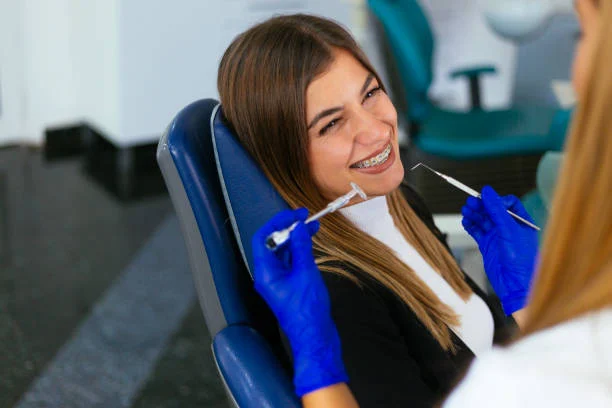
“Orthodontics for adults: does age affect the result?” is a question asked by many people interested in improving their smile and tooth position in their thirties, forties, or older.
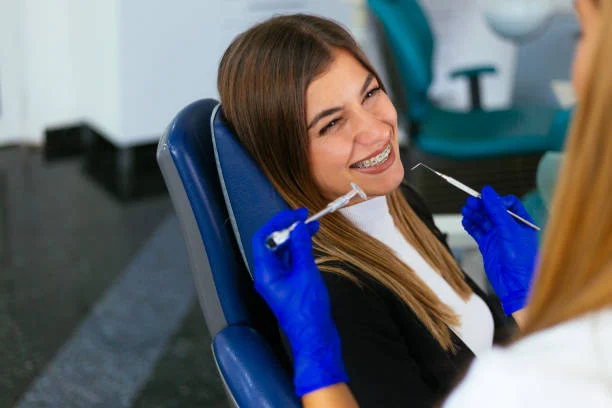
“Orthodontics for adults: does age affect the result?” centers on the concern that it’s “too late” for orthodontic treatment—especially since the idea that braces are only for children and teenagers is widespread.
Orthodontics for Adults: Does Age Affect the Result?
In reality, age plays a role in treatment approach and speed, but it doesn’t eliminate the possibility of excellent results in adults if the dental and gum health is suitable. In this article, we’ll explain how life stage affects orthodontics for adults: does age affect the result?—and what the differences are between adults and children in outcomes and treatment steps.
What is the appropriate age for adult orthodontics?
“Orthodontics for adults: does age affect the result?” starts with understanding that there’s “no strict age limit” for braces—the most important criterion is oral health. “Orthodontics for adults: does age affect the result?” depends on the type of problem (crooked teeth, malocclusion, spacing, crowding…) and gum and supporting tissue health—not on the number of years you’ve lived.
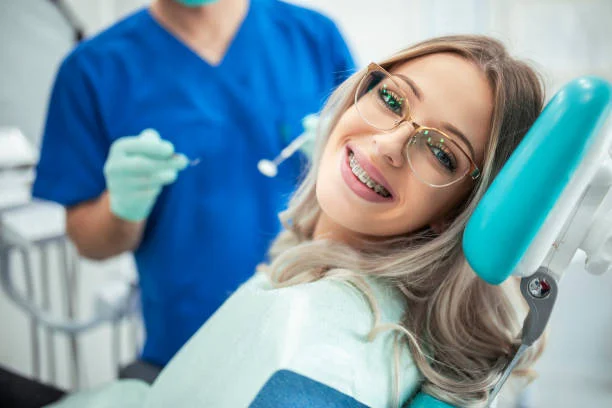
Studies indicate that orthodontics can be applied starting at around age 8, but many adults begin treatment in their twenties, thirties, or even forties and fifties successfully—as long as bones and gums are healthy and teeth can move safely.
With advancing age, gum tissues and jaw bones become less movable compared to adolescence, so “orthodontics for adults: does age affect the result?” may require a longer treatment period and caution regarding conditions like gum disease or bone loss. Adults also often have additional problems such as tooth wear, necessary extractions, or previous restorations, which increase treatment plan complexity. Therefore, before starting orthodontics for adults: does age affect the result?, it’s preferred to visit an orthodontic specialist for a comprehensive exam, panoramic or digital X-rays, and analysis of your teeth and jaw bone growth to determine the appropriate timing and safest method.
Read also: Dental Implants: When Is the Best Solution Instead of Bridges?
How does age affect the speed of orthodontic results?
“Orthodontics for adults: does age affect the result?” shows age’s effect clearly in treatment duration and tissue response speed. “Orthodontics for adults: does age affect the result?” indicates that teeth in children and teenagers move faster due to bone softness and growth activity, while adults often need more time to see the same degree of correction.
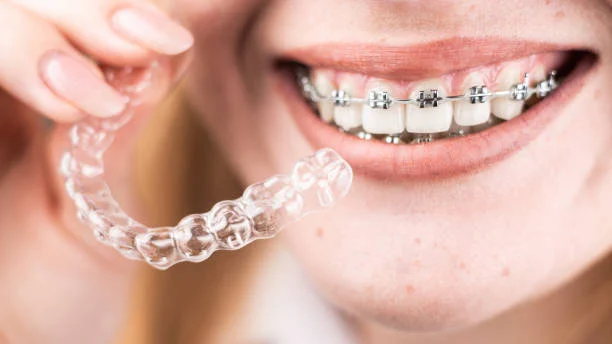
How does age affect the speed of orthodontic results?
In many cases, adults begin noticing initial changes within 3–6 months of brace placement, unlike children who may show initial results within a few weeks sometimes.
Adult orthodontics duration varies according to several factors: problem size (simplicity or complexity), brace type used (metal, ceramic, clear/Invisalign), and gum and tooth health. “Orthodontics for adults: does age affect the result?” shows that older adults may spend from one to two and a half years in some complex cases, while simple cases may finish in 6–12 months. The most important here is adherence to regular visits, brace adjustments, and following the doctor’s instructions precisely—because slow change doesn’t mean treatment isn’t giving good results; it means treatment is proceeding more safely on supporting tissues.
In some cases, combining other treatments with orthodontics for adults: does age affect the result? is recommended—such as gum treatment before starting braces, removing some molars if there’s severe crowding, or using dental implants to support some complex plans. This integration increases long-term result stability but may slightly extend treatment duration. Therefore, orthodontics for adults: does age affect the result? is a completely personal process, depending on the case—not the number on your ID card.
Quality of final results in adults compared to children
“Orthodontics for adults: does age affect the result?”—technically, excellent aesthetic and functional results can be achieved in adults similar to or very close to those achieved by children and teenagers. “Orthodontics for adults: does age affect the result?” ultimately depends on diagnosis quality and treatment plan, brace type used, and patient compliance with instructions—not on age alone.
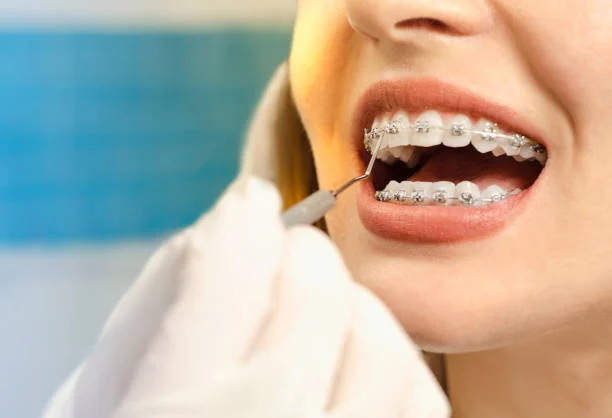
Quality of final results in adults compared to children
Recent studies show that orthodontics in adults can improve functional occlusion, reduce temporomandibular joint pain, improve chewing method, and reduce tooth wear caused by irregular occlusion.
The main difference between adults and children in orthodontics for adults: does age affect the result? is that jaw bones reach maturity in adults, so you can’t take advantage of jaw growth to fully correct some problems as happens in adolescence. In some cases, an adult may need additional jaw surgery with braces to achieve the best possible result—especially in advanced or retrognathic upper or lower jaw cases. While children can have some of these problems corrected simply through braces that guide jaw growth, without needing surgery.
The positive aspect in orthodontics for adults: does age affect the result? is that adults are usually more committed and responsible in caring for tooth hygiene, cleaning braces, and avoiding foods that damage wires or brackets. This commitment raises result quality and helps reduce problems like gum inflammation or tooth decay around braces. Therefore, it can be said that orthodontics for adults: does age affect the result?—the final result is often satisfactory if the appropriate method is chosen and the plan is followed seriously.
Read also: Best Types of Hollywood Smile: Difference Between Veneers and Lumineers
Adult orthodontics between aesthetic and functional aspects
“Orthodontics for adults: does age affect the result?”—the debate often appears between those seeking only the aesthetic aspect (smile symmetry, front tooth arrangement) and those also interested in the functional aspect (correct occlusion, reducing jaw pain, preventing tooth wear).
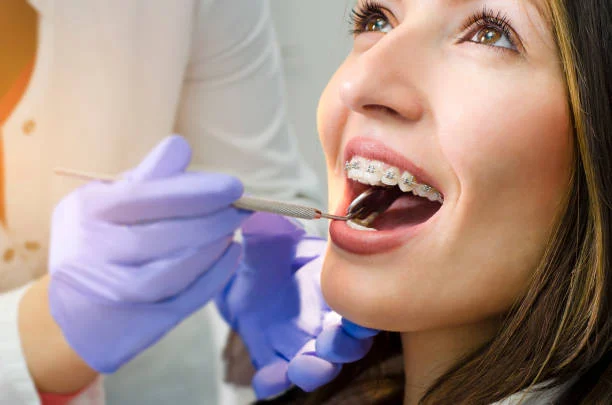
“Orthodontics for adults: does age affect the result?” clarifies that orthodontics isn’t just teeth “decoration”—it’s treatment that improves oral health and reduces future problem risk.
Adult orthodontics between aesthetic and functional aspects
In many adults, it’s noticed that orthodontics helps improve jaw movement, reduce clicking or pain in the temporomandibular joint, and reduce nighttime teeth grinding when it’s linked to unbalanced occlusion.
Aesthetically, “orthodontics for adults: does age affect the result?” gives clear results in improving smile shape, arranging front teeth, closing gaps, and correcting rotated or tilted teeth. This positively reflects on self-confidence and psychological comfort—especially in social and professional life. In today’s era, invisible orthodontics (Invisalign, clear, clear ceramic…) has become a popular choice among adults because it reduces embarrassment from visible metal brackets at work or in photos.
Functionally, “orthodontics for adults: does age affect the result?” can reduce front tooth wear caused by imperfect impact between jaws, distribute chewing force across all teeth better, and protect some teeth from overload. It also helps improve gum distribution around teeth and reduce gum pockets resulting from tooth crowding or irregularity. Therefore, orthodontics for adults: does age affect the result? is an investment in overall oral health—not just external appearance.
Frequently asked questions about adult orthodontics
Can teeth be orthodontically treated after age 40?
Yes—adult orthodontics can be done at almost any age, even in your forties, fifties, or older, as long as teeth and gums are healthy and movable. “Orthodontics for adults: does age affect the result?” depends more on supporting tissue quality than the age number.
Do adult orthodontic results differ from children’s results?
Final results can be similar or very close, but treatment duration and execution method may differ—adult age sometimes requires longer time or integrated treatment plans with gum therapy or surgery. “Orthodontics for adults: does age affect the result?” shows that patience and commitment raise result quality.
Does age make cleaning teeth with braces more difficult?
Age itself doesn’t make it difficult, but poor hygiene or pre-existing gum inflammation may increase the challenge. “Orthodontics for adults: does age affect the result?” depends on commitment to precise hygiene with toothbrush, orthodontic floss, specialized mouthwash, and using tools the doctor recommends.
Does adult orthodontics cause more pain?
Some adults may feel mild pain or discomfort after brace placement or adjustment, but it’s usually temporary. “Orthodontics for adults: does age affect the result?” doesn’t depend on pain level, but on choosing the appropriate brace type and gradual adjustment method.
Can clear aligners be used at any age?
Clear aligners for adults can be used in most cases, but they suit mild to moderate cases more, while complex cases may need metal or metal-ceramic braces. “Orthodontics for adults: does age affect the result?” here depends on the specialist’s evaluation of teeth and gum condition before choosing brace type.
Is retention necessary after adult orthodontics?
Yes—retention is necessary after adult orthodontics, just like for children, because teeth may return to their original position if not retained. “Orthodontics for adults: does age affect the result?” shows results remain more stable when retainers are used long enough according to the doctor’s plan.