Reasons for Hair Transplant Failure and How to Avoid Them: A Comprehensive Guide to Success
Hair transplant failure reasons include selecting an unsuitable patient, the doctor’s lack of experience, not following pre- and post-operative medical instructions, choosing unverified clinics, misdiagnosis, excessive follicle extraction, and using poor-quality surgical tools.
These can be avoided by selecting an experienced doctor, a reputable clinic, and fully adhering to all care instructions.
Hair transplant has become a common treatment for people suffering from hair loss and baldness, but the result may not be achieved as planned in some cases, leading to unnatural hair appearance and further hair loss. Accurate understanding of the reasons for hair transplant failure and how to avoid them ensures successful and optimal results for you.
What Is Hair Transplant and Why Might It Fail?
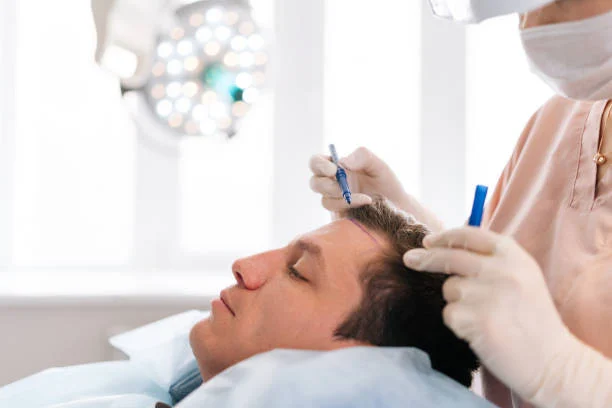
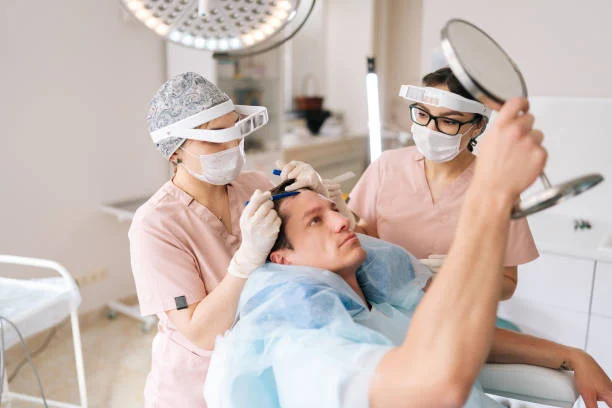
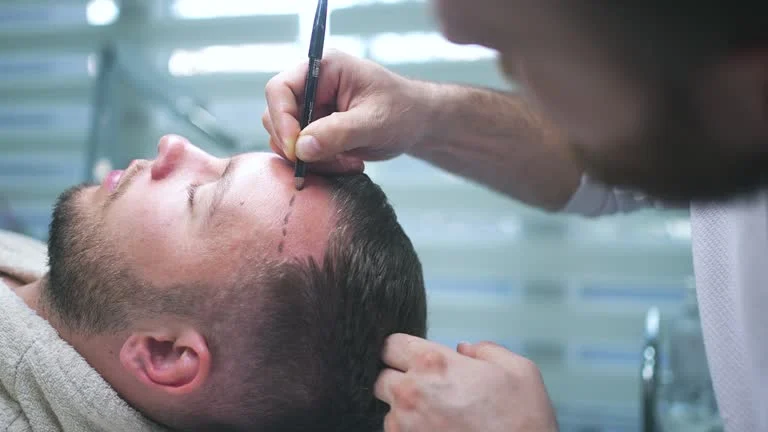
Hair transplant is a procedure that transfers hair roots from the donor area (usually the back of the head) to the areas suffering from baldness (the recipient area). This procedure is commonly used to treat genetic baldness and includes stages of patient preparation, drawing the frontal hairline, anesthesia, follicle extraction, and precise follicle implantation to ensure natural results.
Reasons for hair transplant failure are diverse and may result from multiple factors. One of the main reasons is that the surgery was not performed properly. This could be due to selecting an inappropriate location for the grafts, unsuccessful selection of the donor hair area, or incorrect angle and direction of the implanted hair.
Reasons for hair transplant failure also include not studying the case accurately before the procedure, leading to misdiagnosis and limited surgical success. The success rate of hair transplant surgery with the latest technologies reaches 90–95% in reputable clinics, but this percentage may decrease in unprofessional clinics.
read also: Thread facelift: Who is it suitable for and how long do the results last?
Reason 1: Unsuitable Patient Due to Health or Skin Conditions
Reasons for hair transplant failure begin with selecting an unsuitable patient. You may not be eligible for the procedure if you suffer from health or skin problems, or if the donor area is weak and does not contain sufficient hair, preventing you from undergoing hair transplant.
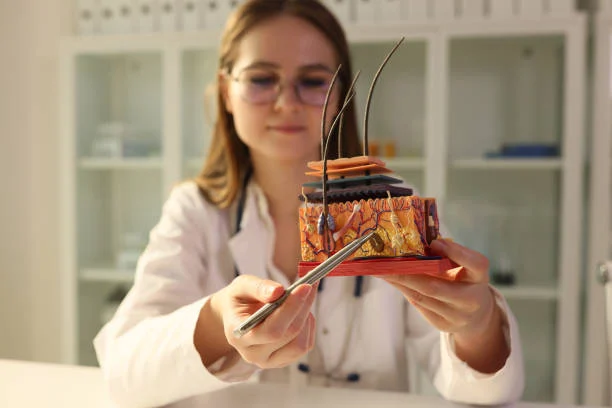
Reasons for hair transplant failure in this aspect include several important factors. The bald area was large, the donor area had weak follicles, and their number was insufficient. Transplanting these weak follicles will not be successful, as they cannot grow in the implanted area, leading to hair transplant failure.
Suffering from a chronic autoimmune disease that primarily targets hair follicles, such as alopecia, makes the procedure fail to achieve its purpose. Inappropriate age for hair transplant, as age is one of the most important conditions for hair transplant success, and the patient’s age must be under 65 years.
Health of the hair donor area, which must be healthy, in addition to the patient being free from blood anemia diseases and blood-transmitted diseases. Diseases that prevent hair transplant include chronic autoimmune diseases, blood anemia diseases, blood-transmitted diseases, and other health conditions that affect follicle growth.
Selecting an unsuitable patient is a major cause of hair transplant failure, and the health condition must be accurately assessed before approving the procedure.
Reason 2: Doctor’s Lack of Experience and Technical Skill
Reasons for hair transplant failure include the doctor’s lack of experience significantly. If the doctor does not have sufficient experience or has not performed a large number of procedures, it may negatively affect the results.
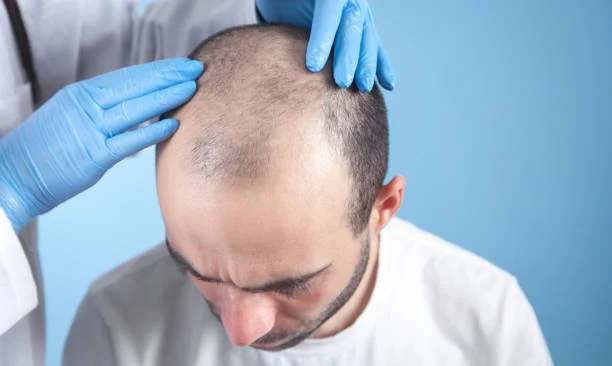
Reasons for hair transplant failure related to the doctor include many technical factors. The doctor who performed the procedure is inexperienced and novice in this field. Excessive extraction that may lead to destroying the donor area, making it follicle-free and showing gaps.
The doctor extracting follicles incorrectly leads to destroying their roots due to lack of experience or due to speed, so they do not grow when implanted. The doctor extracting follicles from places other than the safe extraction area, named so because hair taken from it has a low fall rate and strong follicles.
Technical errors occurring during the transplant by the doctor, so it is necessary to choose a doctor with sufficient experience. Using poor-quality surgical tools can lead to hair transplant failure. The implantation method is not perfected: to prevent hair transplant failure, the expert team must master the hair transplant technique.
The method of extracting the follicular unit is not controlled: this risk, often ignored, is extremely serious. Reasons for hair transplant failure in this aspect show the importance of choosing an experienced doctor with high expertise in the field of hair transplant.
The doctor’s technical skill is a critical factor in the procedure’s success, and the correct choice of an experienced doctor ensures excellent results.
Reason 3: Misdiagnosis by the Medical Team
Reasons for hair transplant failure include misdiagnosis by the treating medical team as the first major reason. This is the first reason that may lead to procedure failure due to mixing diagnosis between genetic and non-genetic factors.

Reasons for hair transplant failure related to misdiagnosis include several important factors. There are many genetic factors that work on hair loss, and this genetic loss resulting from sex hormones is found clearly in men more than women.
Non-genetic factors are factors related to deficiency of some important elements such as iron and protein and thyroid gland disorders, in addition to using certain medications. Not performing necessary tests and examinations before the procedure, most importantly confirming that the person is not infected with any infectious diseases.
The donor area does not provide enough grafts: this condition occurs if the surgeon does not conduct a good preliminary study. The donor area has poor-quality grafting: to determine whether the grafts in the donor area are of good quality, a preliminary clinical examination is necessary.
Misdiagnosis is a major cause of hair transplant failure and must be avoided by performing accurate tests before the procedure.
Precision in diagnosis before the procedure is a fundamental step to ensure hair transplant success, and the complete medical team must conduct a comprehensive study of the case.
Reason 4: Not Following Doctor’s Instructions Before and After the Procedure
Reasons for hair transplant failure include not following the doctor’s instructions significantly. Whether before or after the procedure, ignoring the doctor’s instructions may lead to procedure failure.
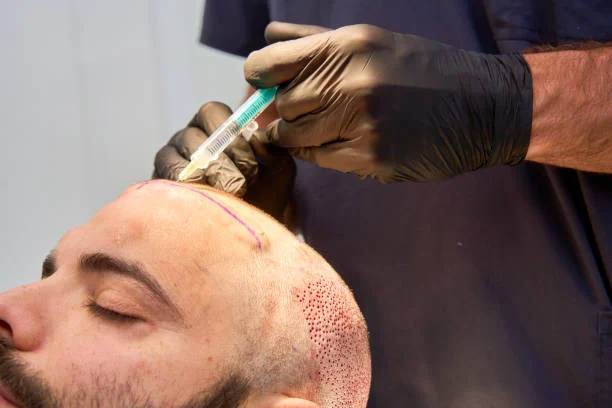
Reasons for hair transplant failure related to not adhering to instructions include several aspects. The person’s lack of concern for regular follow-up, neglecting it, and neglecting care for the transplanted hair leads to falling of the transplanted follicles.
Not adhering to the doctor’s instructions after hair transplant surgery, as the transplanted follicles need special care from the patient. Large expectations from the patient, as the patient must discuss with the doctor about the success of hair transplant according to their condition and how the results will be after the procedure.
Leaving the grafts for a long time before hair transplant can lead to hair transplant failure. Being well-prepared before the procedure and applying all doctor’s instructions. Stress, poor nutrition, drugs, and smoking are all factors that can lead to hair transplant failure.
Not adhering to the doctor’s instructions is a common cause of hair transplant failure and requires full awareness from the patient. Adhering to instructions before and after the procedure is a critical factor in hair transplant success.
Reason 5: Unverified Clinics and Low Quality
Reasons for hair transplant failure include choosing unverified clinics. It is necessary to thoroughly search for the medical center, verify its reputation, view before-and-after cases, and preferably visit the clinic personally to ensure its quality.
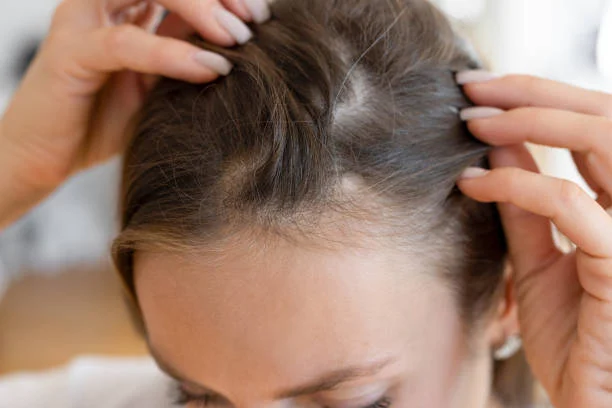
Reasons for hair transplant failure related to clinics include several important factors. Not selecting target areas appropriately. Not adhering to sterilization and cleanliness standards. Doctor and clinic lack of experience. Failure to draw the frontal hairline correctly. Not selecting the appropriate hair transplant technique for the case.
Unverified clinics may lead to unsatisfactory results and must be avoided through thorough research. Quality in the medical center is a fundamental factor in hair transplant success.
Choosing a reputable clinic is a critical step in the hair transplant journey, and thorough research ensures a successful experience.
Reason 6: Personal and Behavioral Factors
Reasons for hair transplant failure include multiple personal and behavioral factors. According to many medical opinions, heavy smoking is one of the most important reasons for hair transplant failure, especially because it causes vascular narrowing and poor blood supply, and damages many body cells including follicles.
Reasons for hair transplant failure related to personal factors include several factors. Stress, poor nutrition, drugs, and smoking are all factors that can lead to hair transplant failure. Leaving the grafts for a long time before hair transplant can lead to hair transplant failure.
Not keeping follicles at a certain cold temperature, exposing them to death, and thus the hair transplant procedure fails in the areas needing them on the scalp. Smoking and poor nutrition are dangerous factors affecting hair transplant success.
Personal and behavioral factors are important dimensions in hair transplant success and must be avoided to ensure excellent results.
How to Avoid Hair Transplant Failure? Practical Tips
Avoiding hair transplant failure requires following practical steps:
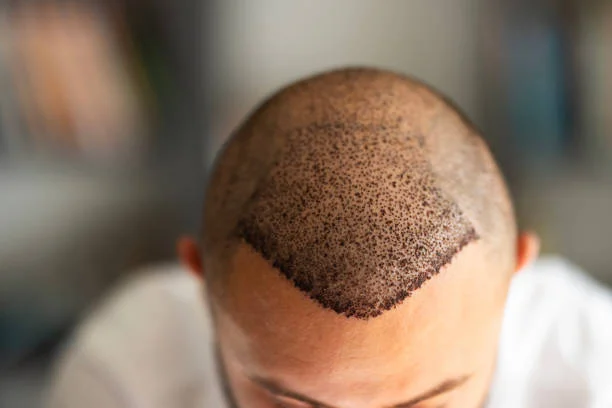
Selecting the appropriate doctor includes choosing the best hair transplant doctor to perform the procedure and confirming their experience and competence, and it is necessary to choose a doctor with sufficient experience and search for an experienced doctor who has performed a large number of procedures.
Selecting a reputable clinic includes thoroughly searching for the medical center, verifying its reputation, viewing before-and-after cases, visiting the clinic personally to ensure its quality, and adhering to sterilization and cleanliness standards.
Performing necessary tests before the procedure includes that not performing necessary tests and examinations before the procedure may lead to transplant failure, confirming that the person is not infected with any infectious diseases, conducting a good preliminary study of the donor area, and a preliminary clinical examination is necessary to determine graft quality.
Adhering to doctor’s instructions includes being well-prepared before the procedure and applying all doctor’s instructions, adhering to doctor’s instructions after hair transplant surgery, regular follow-up and not neglecting it, and caring for the transplanted hair correctly.
Avoiding risk factors includes heavy smoking as one of the most important reasons for hair transplant failure, avoiding stress and poor nutrition, and avoiding unnecessary drugs.
Post-hair transplant instructions include sleeping in a straight position, not washing the scalp immediately as you must wait 48 hours after the procedure, and following 10 post-hair transplant instructions.
Signs of Hair Transplant Failure
Signs of hair transplant failure include unnatural hair appearance, further hair loss after the procedure, falling of transplanted follicles, gaps in the implanted area, and unsatisfactory results that do not achieve their purpose.
Hair Transplant Success Rate
The success rate of hair transplant surgery with the latest technologies reaches 90–95% in reputable clinics. This percentage may decrease in unprofessional clinics or with inexperienced doctors.
Treating Failed Hair Transplant
Is it possible to treat failed hair transplant? Yes, failed hair transplant can be treated through certain procedures. The treatment method involves re-transplanting follicles in the failed areas while selecting an experienced doctor.
Frequently Asked Questions About Hair Transplant Failure
1. What are the most important reasons for hair transplant failure?
Main hair transplant failure reasons include: unsuitable patient, doctor’s lack of experience, misdiagnosis, not following doctor’s instructions, unverified clinics, and personal factors like smoking.
2. How can hair transplant failure be avoided?
Avoiding hair transplant failure requires: selecting an experienced doctor, reputable clinic, performing pre-procedure tests, adhering to doctor’s instructions, and avoiding smoking and poor nutrition.
3. What is the hair transplant success rate?
The success rate of hair transplant surgery with the latest technologies reaches 90–95% in reputable clinics.
4. Does smoking affect hair transplant success?
Heavy smoking is one of the most important reasons for hair transplant failure, especially because it causes vascular narrowing and poor blood supply.
5. What diseases prevent hair transplant?
Diseases that prevent hair transplant include chronic autoimmune diseases, blood anemia diseases, and blood-transmitted diseases.
6. Can failed hair transplant be treated?
Yes, failed hair transplant can be treated through re-transplantation while selecting an experienced doctor.
7. What are the signs of hair transplant failure?
Signs of hair transplant failure include: unnatural hair appearance, further hair loss, follicle falling, and gaps in the implanted area.
8. Is age important for hair transplant success?
Age is one of the most important conditions for hair transplant success, and the patient’s age must be under 65 years.
9. What is the importance of selecting the appropriate technique?
Not selecting the appropriate hair transplant technique for the case may lead to transplant failure.
10. How do I know if a clinic is reputable?
Verify the clinic’s reputation, view before-and-after cases, and visit the clinic personally to ensure its quality.
Conclusion
Hair transplant failure reasons are multiple and shared, including unsuitable patient, doctor’s lack of experience, misdiagnosis, not following instructions, and unverified clinics, and they can be avoided by selecting an experienced doctor, reputable clinic, and full adherence to care instructions before and after the procedure.
Hair transplant failure reasons must be understood by everyone planning to undergo the procedure, because prevention is better than cure, and the correct choice of doctor and clinic ensures successful and optimal results lasting for many years. Hair transplant failure reasons are mostly avoidable through awareness and correct selection.
Hair transplant failure reasons do not mean the procedure is dangerous, but rather that success requires awareness and correct selection, and with the experienced doctor and reputable clinic, the success rate reaches 90–95%.