Dental Implants: When Is the Best Solution Instead of Bridges?
“Dental implants: when is the best solution instead of bridges?” is one of the most important questions asked by anyone who has lost one or more teeth and wants an alternative that combines aesthetic appearance and practical function.
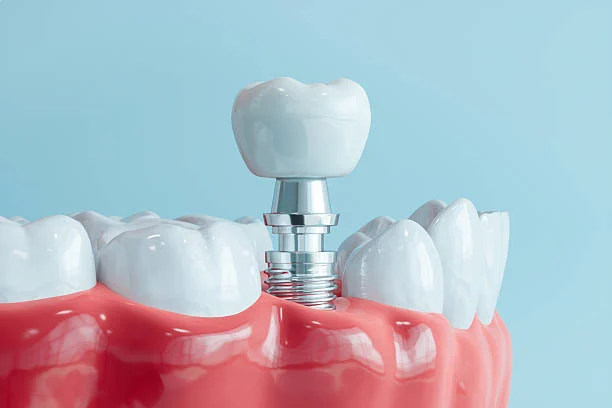
Choosing the right replacement doesn’t depend only on filling the existing gap—it’s also linked to the health of neighboring teeth, jaw bone condition, solution longevity, and the comfort the patient will enjoy long-term.
When we talk about dental implants: when is the best solution instead of bridges?, we’re not comparing two nearly identical procedures, but rather two different therapeutic philosophies. Implants replace a tooth from its root to nearly its crown, while a bridge relies on neighboring teeth as abutments supporting the replacement tooth. This fundamental difference reflects on almost everything—stability, lifespan, and protection of oral structure.
In this article, we’ll clarify the difference between the two situations simply and clearly, explain when implants are truly a better option than a bridge, and when the bridge is the most logical solution according to patient circumstances—expanding the idea practically to help make an informed decision before starting treatment.
What are dental implants?
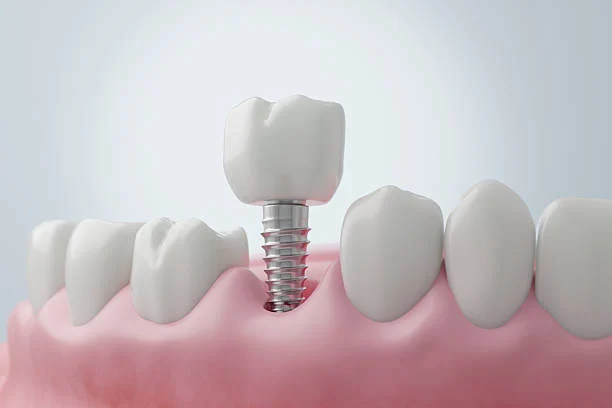
“Dental implants: when is the best solution instead of bridges?” is based on the principle of replacing a missing tooth with an artificial fixture placed inside the jaw bone, then attaching a crown above it that resembles a natural tooth in shape, color, and function. This means implants don’t just close the gap—they attempt to restore the structure the mouth lost after tooth extraction or loss.
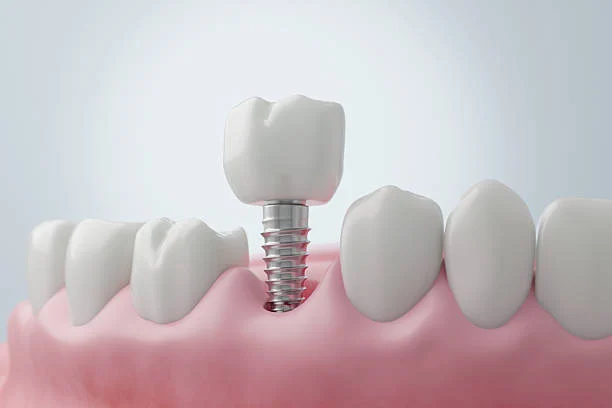
Implants are among the most advanced solutions in modern dentistry because their results are often very close to a natural tooth—in stability, chewing sensation, or even overall smile appearance. They also give the patient a greater sense of stability compared to some other alternatives, especially when the case is suitable from the start.
One of the key advantages of this option is that it doesn’t rely on neighboring teeth for support, so it keeps them as intact as possible. This is a very important point in dental implants: when is the best solution instead of bridges?—because many patients don’t want to compromise their healthy teeth to replace a single missing tooth.
Read also: Best Types of Hollywood Smile: Difference Between Veneers and Lumineers
What is a dental bridge?
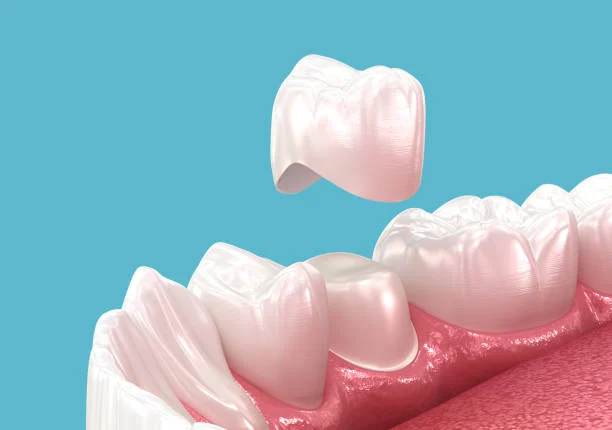
A bridge, on the other hand, relies on the teeth adjacent to the gap to fix the replacement tooth or teeth in the middle. That is, the dentist typically prepares the supporting teeth and then places the crown or bridge so it fills the missing tooth space. Therefore, a bridge doesn’t work alone—it needs strong, qualified teeth to bear the load.
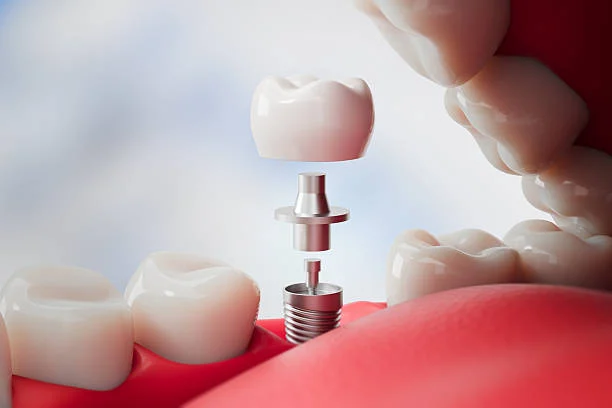
Here appears one of the basic comparison points in dental implants: when is the best solution instead of bridges?—because a bridge may be suitable when neighboring teeth already need crowns or restoration, or when implants aren’t possible due to a medical or anatomical reason. In such cases, the bridge becomes a practical and relatively fast solution.
But the problem is that a bridge, despite its effectiveness, may require grinding healthy teeth or modifying them—meaning sacrificing part of tooth structure that doesn’t necessarily have a problem originally. For this reason, many dentists prefer implants when conditions are suitable, because preserving natural teeth remains a priority in most modern treatment plans.
When are implants the best?
“Dental implants: when is the best solution instead of bridges?”—the answer closest to correct is when the patient wants a long-term solution that preserves neighboring teeth and provides high stability during eating and speaking. If one tooth is missing, neighboring teeth are healthy, and bone density is suitable, implants usually clearly outperform a bridge.
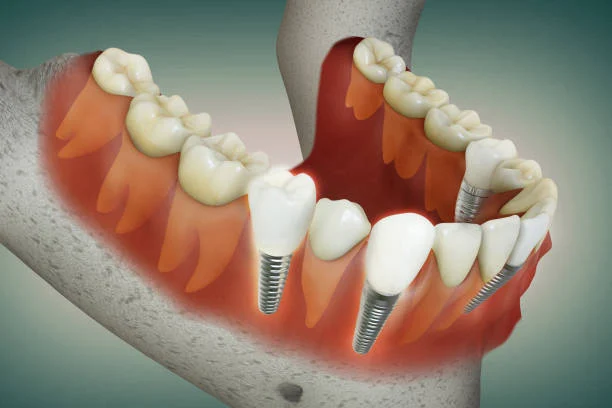
Implants also become a better option when the goal isn’t just to hide the gap but also to preserve the jaw bone. When a tooth is lost, bone in that area begins to recede over time due to lack of natural stimulation—implants help reduce this recession because they mimic the presence of a root inside the bone. This factor is very important in dental implants: when is the best solution instead of bridges?—because it’s linked to long-term oral health—not just current appearance.
Implants are also more suitable when the patient doesn’t want to load neighboring teeth with any additional burden. A bridge requires support from other teeth, while implants give each missing tooth an independent solution. This independence makes them more attractive to people who care about maintaining complete safety of healthy teeth and not changing them unnecessarily.
When is a bridge appropriate?
Although dental implants: when is the best solution instead of bridges? usually leans in favor of implants, a bridge remains an important option in certain cases. It may be better when there’s a bone problem preventing implants, when health contraindications make surgery less preferable at the moment, or when the patient needs a faster solution in terms of steps and duration.

A bridge is also logical if neighboring teeth already need crowns, have large fillings, or structural weakness—because in this case, the same treatment can be used to support the bridge instead of performing an independent implant. This shows that dental implants: when is the best solution instead of bridges? doesn’t mean completely rejecting the bridge—it means knowing when each option is appropriate.
Some patients may also choose a bridge due to initial cost, as it initially seems less complex than implants. But the financial decision shouldn’t look only at the beginning—it should consider continuity and long-term results, because some bridges may need replacement or maintenance more than once compared to a successful, lasting implant.
Read also: Zirconia Crowns for Teeth
How to choose the most suitable option?
When thinking about dental implants: when is the best solution instead of bridges?, the decision shouldn’t be random or based on one factor alone. The dentist needs a comprehensive evaluation including X-rays, gum health, bone density, number of missing teeth, condition of neighboring teeth, patient chewing pattern, and even daily habits like grinding or smoking.

If neighboring teeth are very healthy and don’t need any intervention, implants are often logical because they preserve them. But if these same teeth need treatment or require crowns, the bridge may be a practical solution at that moment. Therefore, dental implants: when is the best solution instead of bridges? relates to a delicate balance between benefit and harm—not just the appearance of the final result.
It’s also best for the patient to think about future comfort. Some people prefer a fixed solution that doesn’t require repeated intervention, even if it requires more initial steps. Others prefer a faster solution even if it’s less durable. What’s important is that the choice is based on clear understanding—because a mistake in this decision can affect the mouth for many years.
Frequently asked questions
Are implants better than bridges in all cases?
No—because dental implants: when is the best solution instead of bridges? depends on bone, gum, and neighboring tooth condition, and a bridge may be better in some special cases.
Do implants preserve neighboring teeth?
Yes—this is one of the main reasons people prefer them, because they typically don’t require grinding healthy teeth as happens with a bridge.
When should I choose a bridge instead of implants?
When implants aren’t suitable due to bone deficiency or a medical contraindication, or when neighboring teeth already need comprehensive restoration.
Do implants last longer than bridges?
In many cases, yes—especially if oral hygiene is good and the implant is successful from the start.
Can more than one tooth be replaced with one implant?
Sometimes this is possible according to the treatment plan, but the decision depends on the number of missing teeth, their distribution, and overall jaw condition.
In conclusion, dental implants: when is the best solution instead of bridges? remains linked to each patient’s clinical condition—but implants usually outperform when we’re looking for stability, preservation of neighboring teeth, bone health, and long-term results. The bridge remains a suitable option when circumstances dictate it—so the best decision is the one built on careful examination and conscious balancing between benefit and therapeutic suitability.